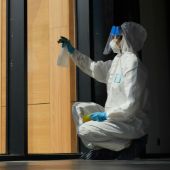
A healthy indoor environment is foundational to comfort, productivity, and long-term wellbeing.
Modern homes, while designed for convenience, can harbor hidden pollutants that affect air quality,
water safety, and structural integrity. Understanding the scope of potential hazards and applying
systematic testing methods empowers homeowners to mitigate risks before they become costly or
health-compromising issues.
Why Home Environmental Testing Matters
The indoor environment differs markedly from outdoor conditions. Ventilation patterns, building
materials, and everyday activities create a unique blend of contaminants. Regular testing offers:
- Early detection of airborne toxins such as radon, mold spores, and volatile organic compounds (VOCs).
- Verification of water safety concerning lead, bacterial growth, and chemical residues.
- Assessment of structural health, including asbestos and lead-based paint presence.
- Data-driven decisions for remediation, renovation, or lifestyle adjustments.
For a deeper dive into the science behind indoor pollutants,
Discover expert strategies here.
Key Areas of Home Testing
Air Quality Assessment
Airborne contaminants are often invisible yet can cause respiratory issues, allergies, and
long-term health effects. Core tests include:
- Radon testing: Measures radioactive gas that can seep from soil into basements.
- Mold spore sampling: Identifies hidden fungal growth in humid areas.
- VOC analysis: Detects chemicals released from paints, adhesives, and cleaning agents.
- Particulate matter (PM2.5/PM10) monitoring: Evaluates fine dust and pollen levels.
Water Quality Evaluation
Drinking water can carry contaminants from aging pipes or external sources. Essential tests cover:
- Lead and copper concentration.
- Microbial presence such as E.”?coli and other coliform bacteria.
- pH balance, hardness, and chlorine residuals.
- Presence of nitrates, pesticides, and industrial chemicals.
Structural and Material Safety
Older homes may contain hazardous building materials. Targeted testing should address:
- Asbestos fibers in insulation, floor tiles, and pipe wrap.
- Lead-based paint in walls and windows.
- Formaldehyde emissions from pressed-wood products.
To explore detailed guides on selecting the right testing kits,
Explore advanced guides and tips.
Conducting the Tests: A Step-by-Step Overview
While some tests can be performed by homeowners with DIY kits, others require professional expertise.
Follow these general steps for reliable results:
- Identify priority areas: Use recent health symptoms, renovation history, or local reports to focus testing.
- Choose appropriate kits or services: Ensure the selected method meets recognized standards (e.g., EPA, ISO).
- Prepare the environment: Close windows, avoid cleaning or running appliances that could skew results.
- Collect samples: Follow manufacturer instructions precisely, timing and placement are critical.
- Send or analyze results: For mail-in kits, use the provided shipping method; for on-site analysis, rely on certified technicians.
- Document findings: Keep a record of dates, locations, and concentrations for future reference.
If guidance is needed on interpreting specific test outcomes,
Learn about our tailored solutions.
Interpreting Results and Planning Remediation
Raw data becomes valuable only when placed in context. Consider the following when reviewing results:
- Compare concentrations against national safety thresholds (e.g., WHO air quality guidelines, EPA drinking water limits).
- Assess exposure duration, continuous low-level exposure can be as concerning as short-term spikes.
- Identify source pathways (e.g., basement cracks for radon, leaky roofs for mold).
- Prioritize actions based on health risk and remediation cost.
For a systematic approach to remediation planning,
Find out more about this approach.
Maintaining a Healthy Indoor Environment
Ongoing vigilance is essential. Implement these best practices to sustain safe conditions:
- Schedule annual air and water quality retests, especially after major renovations.
- Install and regularly replace high-efficiency particulate air (HEPA) filters in HVAC systems.
- Use dehumidifiers in damp areas to inhibit mold growth.
- Ensure proper ventilation when using chemicals or cooking.
- Keep a maintenance log for all testing and remediation activities.
When to Engage Professional Services
Certain scenarios exceed the scope of DIY testing, such as:
- Suspected asbestos or lead in structural components.
- Consistently high radon levels requiring mitigation system design.
- Complex water contamination requiring laboratory analysis.
- Need for certification for real estate transactions or insurance purposes.
Professional labs and certified inspectors bring calibrated equipment, validated methodologies,
and comprehensive reporting. For a curated list of reputable service providers,
Discover expert strategies here.
Conclusion
Comprehensive home environmental testing transforms uncertainty into actionable insight. By systematically
evaluating air, water, and building materials, homeowners can safeguard health, protect property value,
and create a living space that truly supports wellbeing. Regular testing, informed interpretation, and
timely remediation, whether DIY or professional, form the cornerstone of a resilient, healthy home.