Optimizing performance in the gym often extends beyond training routines and diet plans; the right supplement regimen can bridge the gap between good effort and great results. With a market flooded by countless products, discerning which supplements truly enhance strength, endurance, and recovery is essential. This guide consolidates current research, practical insights, and expert recommendations to help athletes, fitness enthusiasts, and beginners make informed choices about the most effective workout supplements.
Understanding Workout Supplements
Supplements are concentrated sources of nutrients designed to complement regular nutrition. They can provide:
- Targeted nutrients that may be difficult to obtain in sufficient quantities from food alone.
- Rapid delivery of active ingredients to support performance during and after training.
- Convenient dosing formats that fit busy lifestyles.
While supplements are not a substitute for a balanced diet, they become valuable tools when used strategically. For deeper insight into how supplementation fits within a broader muscle-gaining strategy, Discover expert strategies here.
Key Categories of Supplements
1. Protein Powders
Protein supports muscle repair and growth. Whey, casein, and plant-based blends each have unique absorption rates.
- Whey isolate: Fast-absorbing, ideal post-workout.
- Casein: Slow-release, suited for nighttime recovery.
- Plant blends: Provide a hypoallergenic alternative with a complete amino-acid profile.
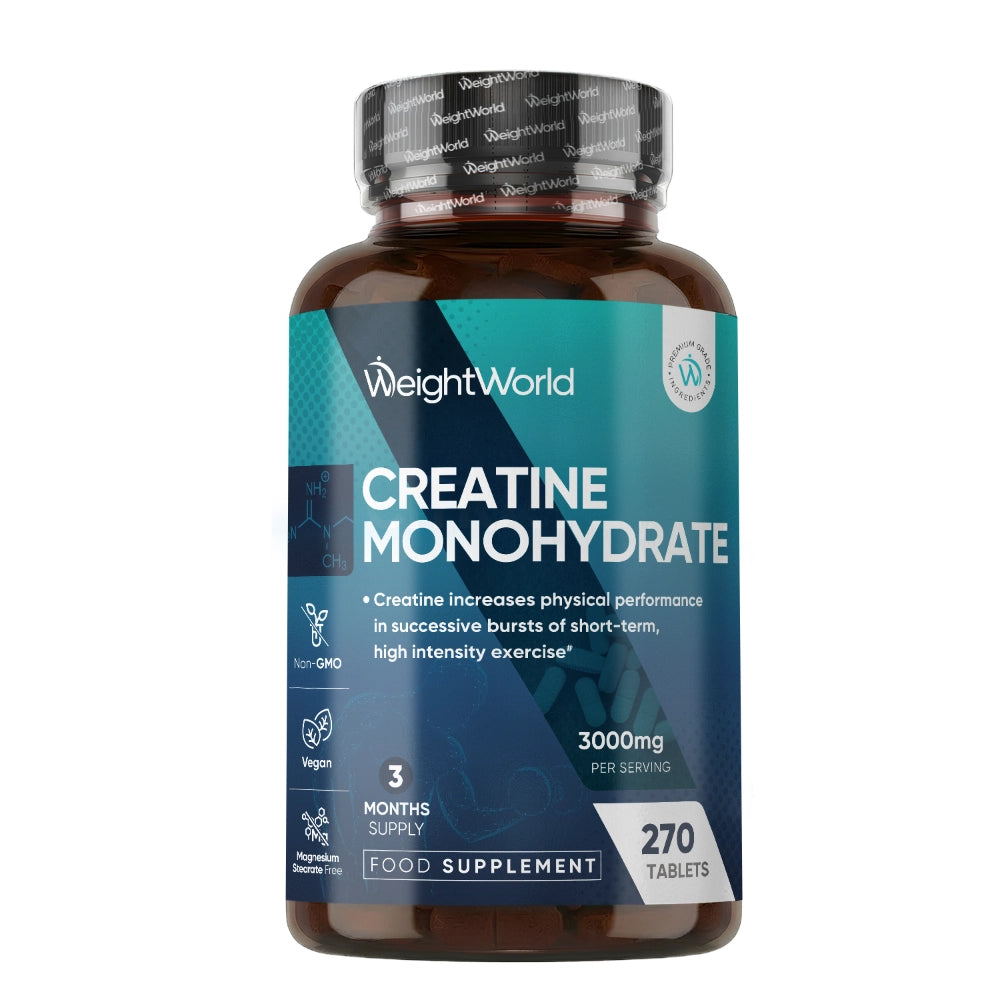
2. Creatine Monohydrate
Creatine increases phosphocreatine stores in muscle cells, enhancing short-burst power output.
- Improves strength gains of 5-15% when combined with resistance training.
- Supports cellular hydration, which may aid muscle fullness.
- Well-researched with a strong safety record.
For a curated selection of high-quality creatine and related products, Explore advanced guides and tips.
3. Pre-Workout Formulas
These blends typically contain caffeine, beta-alanine, and nitric-oxide precursors to boost energy, focus, and blood flow.
- Caffeine: Increases alertness and reduces perceived effort.
- Beta-alanine: Buffers lactic acid, delaying fatigue.
- L-citrulline or arginine: Enhances vasodilation for better nutrient delivery.
4. Recovery Aids
Post-exercise recovery can be accelerated with branched-chain amino acids (BCAAs), glutamine, and omega-3 fatty acids.
- BCAAs help reduce muscle soreness and stimulate protein synthesis.
- Glutamine supports immune function during intense training blocks.
- Omega-3s reduce inflammation and promote joint health.
How to Choose the Right Supplement
Selecting an effective supplement involves evaluating personal goals, training intensity, and dietary gaps.
- Identify objectives: Strength, hypertrophy, endurance, or recovery?
- Check ingredient transparency: Look for third-party testing and clear dosage information.
- Consider timing: Some ingredients work best pre-workout, others post-exercise.
- Assess budget and convenience: Powder formats may be cost-effective, while capsules offer portability.
When exploring specific product lines that align with muscle-building goals, Learn about our tailored solutions.
Safety, Dosage, and Timing
Even well-studied supplements can cause adverse effects if misused. Follow these best practices:
- Start low, go slow: Introduce one supplement at a time to gauge tolerance.
- Adhere to recommended doses: Exceeding the suggested amount rarely yields extra benefit and may increase risk.
- Stay hydrated: Creatine and high-intensity pre-workout blends can increase water needs.
- Cycle stimulants: Periodic breaks from caffeine-heavy formulas help prevent tolerance.
For a comprehensive overview of safe supplementation practices, Find out more about this approach.
Frequently Asked Questions
Can supplements replace meals?
No. Supplements are designed to complement a balanced diet, not substitute whole foods that provide fiber, micronutrients, and phytonutrients.
Is it necessary to take a protein supplement if I already consume enough protein?
If daily protein intake meets individual needs (generally 1.6-2.2″?g/kg body weight for active adults), additional protein powder may be unnecessary. However, convenient sources can help meet targets on busy days.
How long does it take to see results from creatine?
Most users notice performance improvements within 5-7″?days of a loading phase (20″?g/day split into 4 doses) or within 2-4″?weeks when using a maintenance dose (3-5″?g/day).
Are pre-workout stimulants safe for beginners?
Beginners should start with lower caffeine doses (???100″?mg) and avoid high-beta-alanine concentrations that can cause tingling sensations. Monitoring personal response is key.
Conclusion
Integrating the right supplements can accelerate progress, enhance training quality, and support recovery, provided they are chosen wisely and used responsibly. By focusing on evidence-backed ingredients, aligning products with specific performance goals, and respecting dosage guidelines, athletes can maximize the benefits of supplementation without compromising health. For a curated selection of scientifically supported muscle-gainer products, Explore advanced guides and tips.