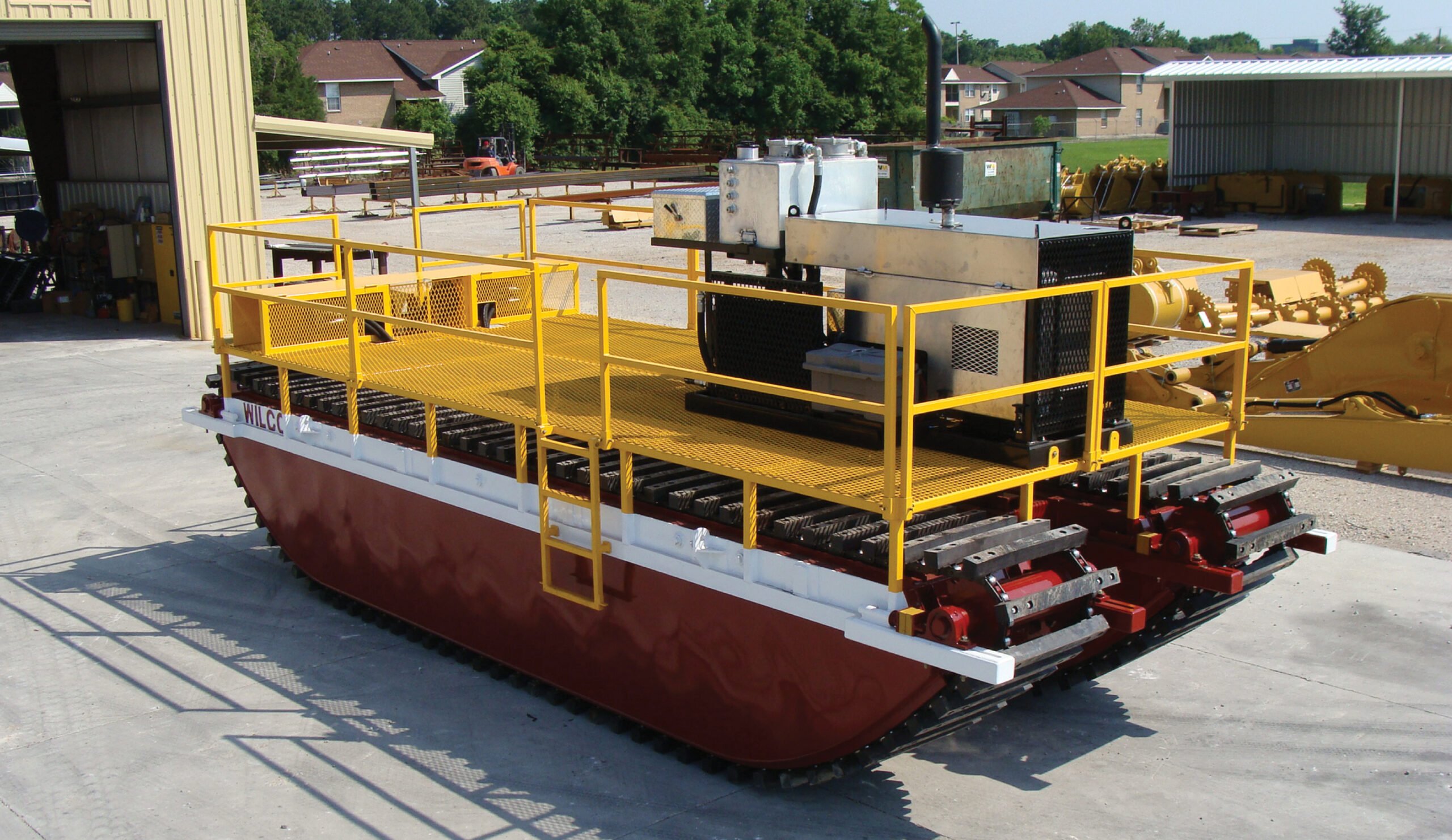
Wetlands are among the most diverse and productive ecosystems on the planet. They provide essential services such as water filtration, flood control, and habitat for a plethora of wildlife species. However, rapid urbanization and industrial activities have put these ecosystems under severe threat. Wetlands reclamation, the process of restoring and rehabilitating these vital environments, has become imperative for environmental sustainability. At the heart of wetlands reclamation efforts is the use of specialized equipment designed to effectively and efficiently restore these natural habitats. This article explores the significance of wetlands reclamation equipment in preserving ecosystems and how technological advancements are aiding this crucial environmental endeavor.
The Importance of Wetlands Reclamation
Wetlands play a critical role in maintaining ecological balance. They act as natural water purifiers, trapping pollutants and sediments, and are vital for flood mitigation by absorbing excess rainfall. Here are some key reasons why wetlands reclamation is essential:
- Habitat Restoration: Wetlands serve as breeding grounds for numerous aquatic and terrestrial species. Reclamation helps restore these habitats, ensuring biodiversity thrives.
- Climate Regulation: Wetlands act as carbon sinks, sequestering carbon dioxide and helping mitigate climate change.
- Water Quality Improvement: By filtering pollutants and sediments, wetlands help maintain clean water supplies.
- Flood Control: Wetlands absorb excess rainwater, reducing the risk and severity of floods.
To delve deeper into the importance of wetlands and their reclamation, read more about this topic.
Types of Wetlands Reclamation Equipment
Various types of equipment are employed in the process of wetlands reclamation, each serving a specific purpose to ensure effective restoration:
Amphibious Excavators
These machines are designed to operate in challenging terrains, including marshy and swampy areas. Their ability to float and maneuver in waterlogged environments makes them indispensable for removing debris and reshaping the landscape. Explore further insights here.
Marsh Buggies
Marsh buggies are amphibious vehicles that facilitate the transportation of personnel and equipment across difficult wetland terrains. They are crucial for accessing remote areas without causing additional environmental damage.
Dredgers
Dredgers are used to remove sediments and debris from water bodies, ensuring the restoration of natural water flow and the re-establishment of aquatic habitats. Find additional information here.
Soil Stabilization Equipment
This equipment helps in stabilizing the soil to prevent erosion and promote vegetation growth, which is vital for the rehabilitation of wetlands. Learn more in this detailed guide.
Technological Advancements in Wetlands Reclamation
Recent advancements in technology have significantly enhanced the effectiveness of wetlands reclamation efforts. Modern equipment is becoming more efficient, environmentally friendly, and capable of minimizing the ecological footprint during restoration activities:
- GPS and GIS Technology: These tools allow for precise mapping and monitoring of wetland areas, facilitating targeted reclamation efforts.
- Eco-Friendly Materials: The use of biodegradable and non-toxic materials in construction and restoration reduces environmental impact.
- Remote Sensing: Drones and satellite imagery provide valuable data for assessing wetland conditions and monitoring progress.
These technological innovations are transforming how reclamation projects are planned and executed. Explore further insights here.
Challenges and Future Prospects
Despite the advances in technology and equipment, wetlands reclamation faces several challenges. These include regulatory hurdles, funding limitations, and the complexity of restoring diverse ecosystems. However, with ongoing research and innovation, the future of wetlands reclamation looks promising.
By enhancing our understanding of ecological processes and developing more sophisticated reclamation techniques, the goal of sustainable wetlands conservation can be achieved. Read more about this topic.
In conclusion, wetlands reclamation is vital for preserving our natural ecosystems. The use of specialized equipment, supported by technological advancements, plays a pivotal role in these efforts. Continued innovation and dedication to this cause will ensure that wetlands remain a vital part of our global environment.