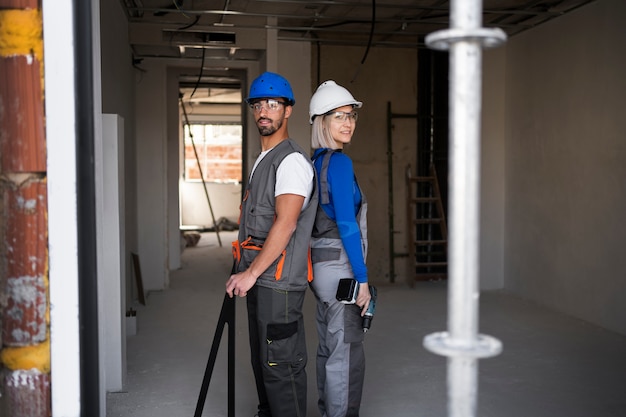
Concrete seal waterproofing is an essential process in enhancing the durability and longevity of concrete structures. Whether in residential, commercial, or industrial settings, waterproofing acts as a protective barrier against moisture and environmental elements that can lead to deterioration. This guide will delve into the importance of concrete seal waterproofing, key techniques, and considerations for selecting the right products and services. Understanding these aspects is crucial for ensuring the integrity and performance of concrete surfaces over time.
The Importance of Concrete Seal Waterproofing
Concrete is inherently porous, making it susceptible to water infiltration, which can lead to structural damage over time. Waterproofing seals these pores, preventing water from penetrating the surface. The benefits include:
- Enhanced durability of concrete structures.
- Prevention of cracks, spalling, and other forms of damage.
- Protection against mold and mildew growth.
- Increased lifespan of concrete surfaces, reducing maintenance costs.
Discover expert strategies here.
Types of Concrete Seal Waterproofing
Penetrating Sealers
Penetrating sealers work by absorbing into the concrete and reacting chemically to form a barrier. They are ideal for surfaces exposed to harsh weather conditions.
- Silane/Siloxane Sealers: Best for outdoor surfaces due to their breathable nature.
- Silicate Sealers: Strengthen the concrete by reacting with free lime.
Film-forming Sealers
These sealers create a protective film over the concrete surface, providing a barrier against water and contaminants.
- Acrylic Sealers: Suitable for decorative concrete due to their glossy finish.
- Epoxy Sealers: Provide excellent protection for indoor surfaces with heavy foot traffic.
Explore advanced guides and tips on these sealer types here.
Choosing the Right Waterproofing Solution
Selecting the appropriate waterproofing solution depends on several factors, including the type of concrete, environmental conditions, and the specific requirements of the project. Consider the following:
- Assess the environmental exposure, such as UV rays, freeze-thaw cycles, and chemical exposure.
- Determine the desired aesthetics, especially for decorative concrete surfaces.
- Evaluate the ease of application and the required maintenance level.
Find out more about this approach here.
Application Techniques
Proper application of waterproofing sealers is crucial for achieving optimal results. Professional application ensures even distribution and adequate curing times. Key steps include:
- Surface Preparation: Clean the concrete thoroughly to remove dirt, oil, and previous sealers.
- Sealer Application: Use appropriate tools such as rollers or sprayers for even coverage.
- Curing: Allow the sealer to cure properly, following the manufacturer’s instructions.
Learn about tailored solutions for application techniques here.
Maintenance and Longevity
Regular maintenance is vital for maintaining the effectiveness of concrete seal waterproofing. This includes periodic inspections and reapplication of sealers as needed. Tips for maintaining sealed concrete surfaces include:
- Regularly clean the surface with mild detergents and water.
- Avoid harsh chemicals that can degrade the sealer.
- Inspect for any signs of wear or damage and address them promptly.
Explore advanced guides and tips for maintaining concrete surfaces here.
Concrete seal waterproofing is a critical process in preserving the structural integrity and appearance of concrete surfaces. By understanding the types of sealers, application techniques, and maintenance practices, property owners and builders can ensure long-lasting protection against environmental elements. For more information on tailored solutions and expert strategies, visit the comprehensive resources available here.