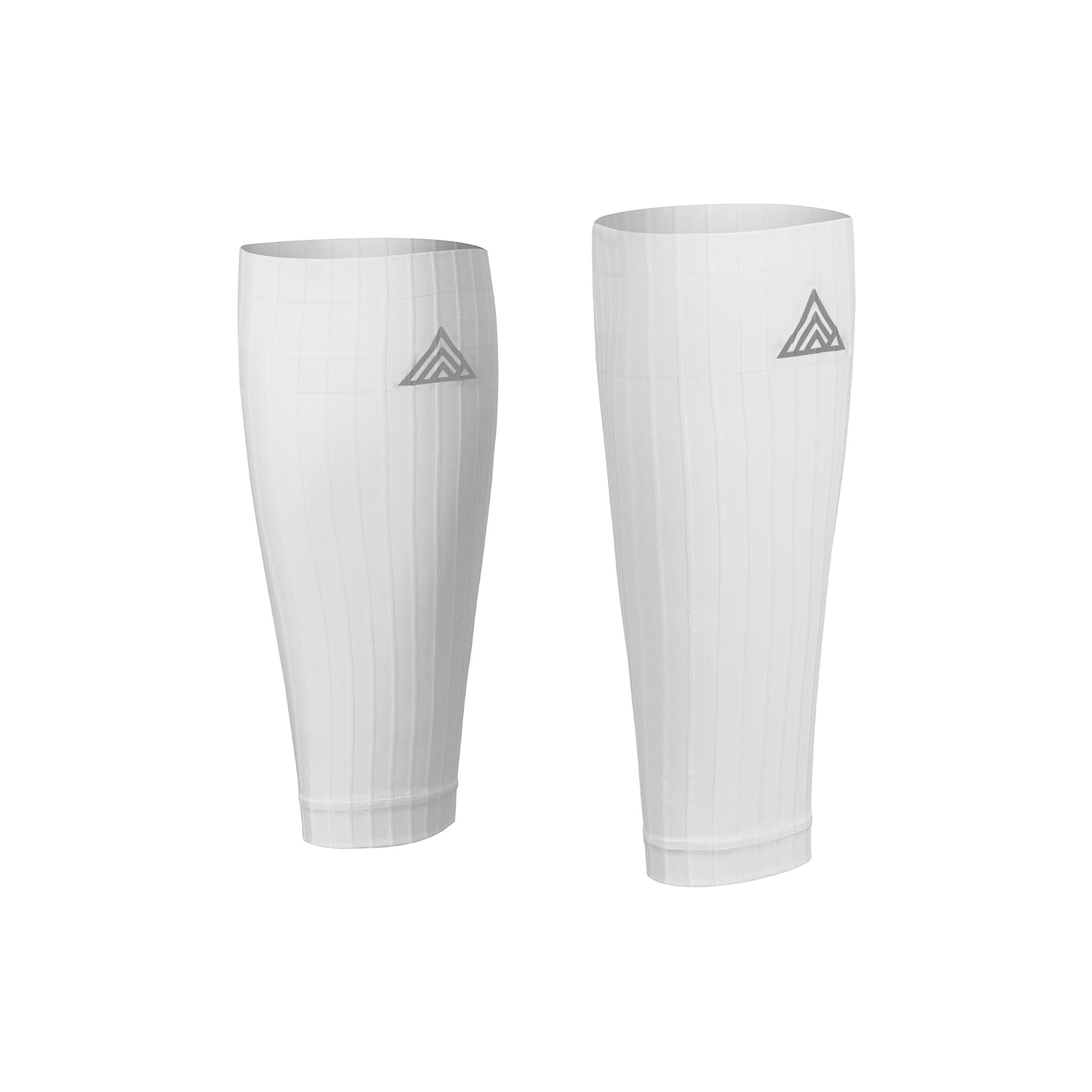
When cycling at high speeds or tackling challenging weather conditions, the right overshoe can be the difference between comfort and distraction. Aero overshoes and cycling overshoes are engineered to protect the foot, enhance aerodynamics, and improve overall performance. Selecting the optimal pair involves more than just a quick glance at the label; it requires a careful assessment of material, fit, ventilation, and additional functional features. Below is a detailed guide to the top five characteristics that should influence any serious cyclist’s purchase decision.
1. Aerodynamic Design and Profile
Reducing drag is a primary goal for any aero-focused cyclist. Overshoes that streamline the foot and shoe interface help maintain a smooth airflow, especially when paired with time-trial helmets and tight-fit apparel.
- Low-profile shape: Look for a tapered silhouette that follows the natural line of the shoe without creating bulges.
- Seam placement: Minimal and strategically placed seams prevent turbulence.
- Material stiffness: Semi-rigid panels can hold the shoe in an optimal position, reducing wobble.
For a deeper dive into aerodynamic considerations, Discover expert strategies here and learn how subtle design tweaks translate into measurable time savings.
2. Weather Resistance and Waterproofing
Rain, snow, and wind are inevitable on many rides. Effective overshoes must keep feet dry while allowing enough flexibility for pedaling efficiency.
- Water-proof membranes: Technologies such as TPU or Gore-Tex-style layers block moisture without adding excessive weight.
- Sealed seams and zippers: Prevent water ingress at critical points.
- Temperature regulation: Some models incorporate reflective linings that retain heat in cold conditions.
To explore waterproof options that balance protection and breathability, Learn about our tailored solutions and see which constructions perform best under wet conditions.
3. Fit, Adjustability, and Compatibility
A well-fitted overshoe stays in place, eliminates chafing, and ensures power transfer remains consistent throughout the ride.
Key fit features
- Elastic cuffs or silicone grippers: Provide a secure seal around the ankle.
- Adjustable Velcro straps or BOA systems: Allow fine-tuning of tightness for different shoe sizes and foot shapes.
- Compatibility with clipless pedals: Ensure the overshoe does not interfere with cleat engagement.
When evaluating fit, it helps to Explore advanced guides and tips that outline measurement methods and common sizing pitfalls.
4. Breathability and Moisture Management
Even the most waterproof overshoe needs a way to vent excess sweat and prevent internal condensation. Proper airflow maintains foot comfort and reduces the risk of blisters.
- Ventilation panels: Mesh or perforated zones placed strategically near the toe box.
- Moisture-wicking liners: Fabrics that draw sweat away from the skin.
- Quick-dry construction: Materials that release trapped moisture rapidly after rain stops.
For a comprehensive overview of breathable designs, Find out more about this approach and discover which technologies are most effective for long-distance rides.
5. Durability and Maintenance
Investing in a high-quality overshoe means expecting it to withstand repeated use, abrasive road debris, and regular cleaning cycles.
- Reinforced toe and heel zones: Prevent premature wear where friction is greatest.
- UV-resistant coatings: Guard against sun-induced degradation.
- Easy-clean surfaces: Materials that can be wiped down or machine-washed without losing performance.
To understand how durability factors into long-term value, Explore advanced guides and tips that compare lifecycle performance across popular models.
Putting It All Together
Choosing the right aero overshoe or cycling overshoe is a nuanced process that balances aerodynamic efficiency, weather protection, fit, breathability, and durability. By focusing on these five core features, cyclists can make informed decisions that enhance comfort, protect equipment, and ultimately improve race or ride outcomes. The market offers a range of options, each emphasizing different priorities, so aligning the overshoe’s strengths with personal riding conditions is essential.
For a curated selection that meets these criteria, consider exploring the dedicated collection at the provided link. Detailed product descriptions, user reviews, and technical specifications are available to assist in pinpointing the perfect match for any cycling discipline.