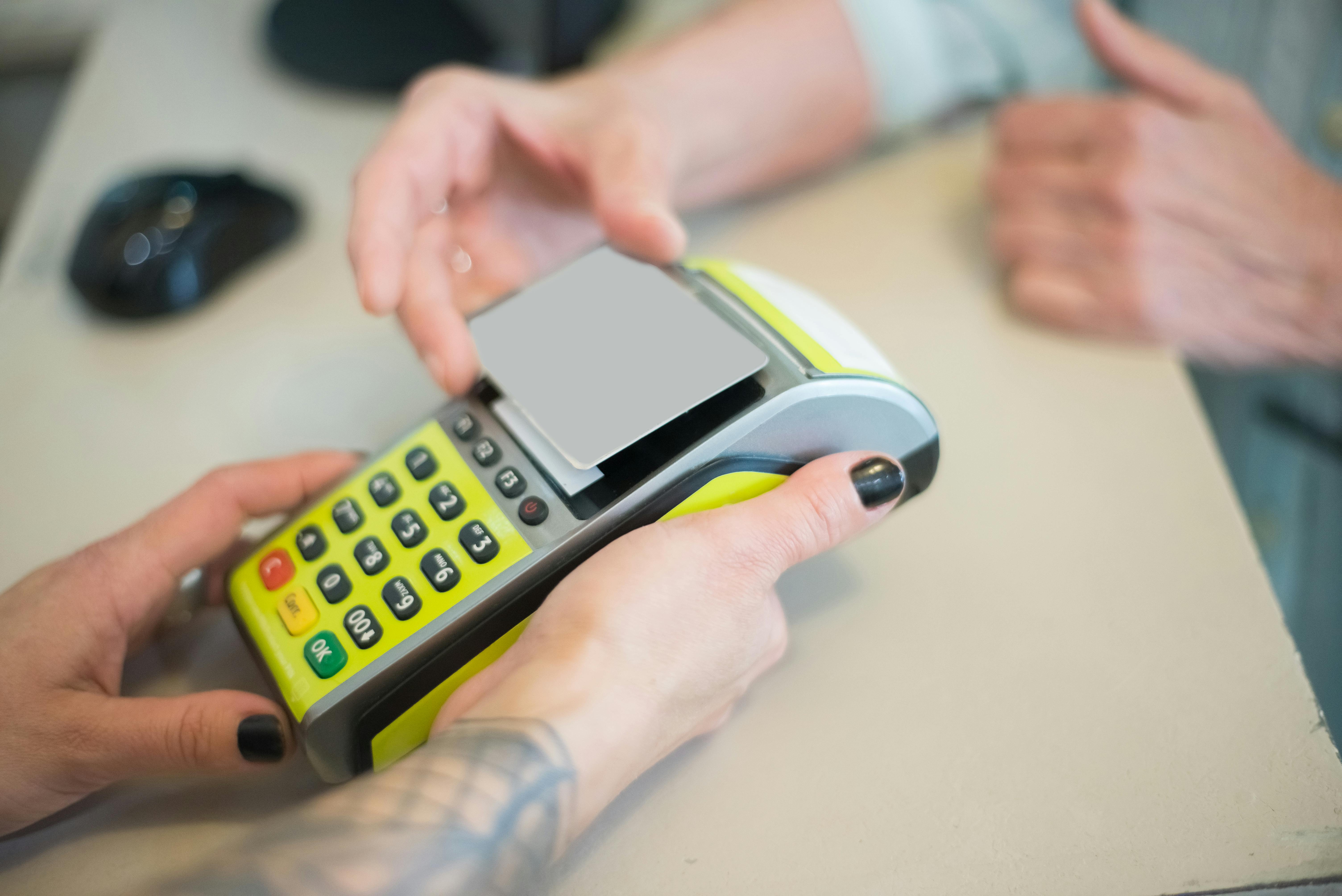
In a digital world where cashless transactions are becoming the norm, businesses of all sizes must prioritize secure payment processing methods. Efficient payment systems not only ensure the smooth operation of a business but also build trust and credibility with customers. As consumer expectations evolve, companies must adopt robust, secure payment processing solutions that cater to their diverse needs. This article delves into the importance of secure payment processing and explores various strategies and tools that can enhance business operations.
Understanding the Importance of Secure Payment Processing
The security of online transactions is paramount in today”?s business landscape. With cyber threats on the rise, businesses must implement measures to protect sensitive customer data. Secure payment processing involves the encryption of transaction information to prevent unauthorized access and data breaches.
- Enhances customer trust and loyalty.
- Mitigates risks related to fraud and data theft.
- Ensures compliance with industry standards and regulations.
To deepen your understanding of secure payment practices, discover expert strategies here.
Key Elements of Secure Payment Processing
Data Encryption
Data encryption is a fundamental aspect of secure payment processing. It involves converting transaction data into a code to prevent unauthorized access during transmission. By implementing advanced encryption methods, businesses can safeguard customer information and maintain transaction integrity.
Compliance with Industry Standards
To ensure secure transactions, businesses must comply with industry standards such as the Payment Card Industry Data Security Standard (PCI DSS). Adhering to these standards helps companies protect payment data and reduce the likelihood of security breaches.
- Regular security audits and assessments.
- Implementation of robust data protection policies.
- Continuous monitoring and updating of security protocols.
To learn more about tailored solutions for compliance, learn about our tailored solutions.
Choosing the Right Payment Gateway
The selection of a payment gateway is crucial for secure processing. A reliable payment gateway acts as a bridge between the customer and the bank, ensuring that transactions are conducted securely and efficiently.
- Supports multiple payment methods.
- Offers fraud detection and prevention tools.
- Provides user-friendly interfaces for seamless transactions.
For guidance on choosing the right payment gateway, explore advanced guides and tips.
Implementing Two-Factor Authentication
Two-factor authentication (2FA) adds an extra layer of security to payment processing by requiring users to provide two forms of identification before completing a transaction. This measure significantly reduces the risk of unauthorized access and fraud.
- Combines password protection with a secondary verification method (e.g., SMS code, biometric data).
- Enhances customer confidence in the security of their transactions.
- Reduces the risk of account takeover and identity theft.
Find out more about this approach at this link.
Conclusion
Secure payment processing is an essential component of modern business operations. By adopting advanced security measures, such as data encryption, industry compliance, and two-factor authentication, businesses can protect customer information and maintain trust. Selecting the right payment gateway further enhances transaction security and efficiency. As the digital landscape continues to evolve, staying informed about the latest payment processing strategies and solutions will be crucial for businesses aiming to stay ahead in the competitive market.