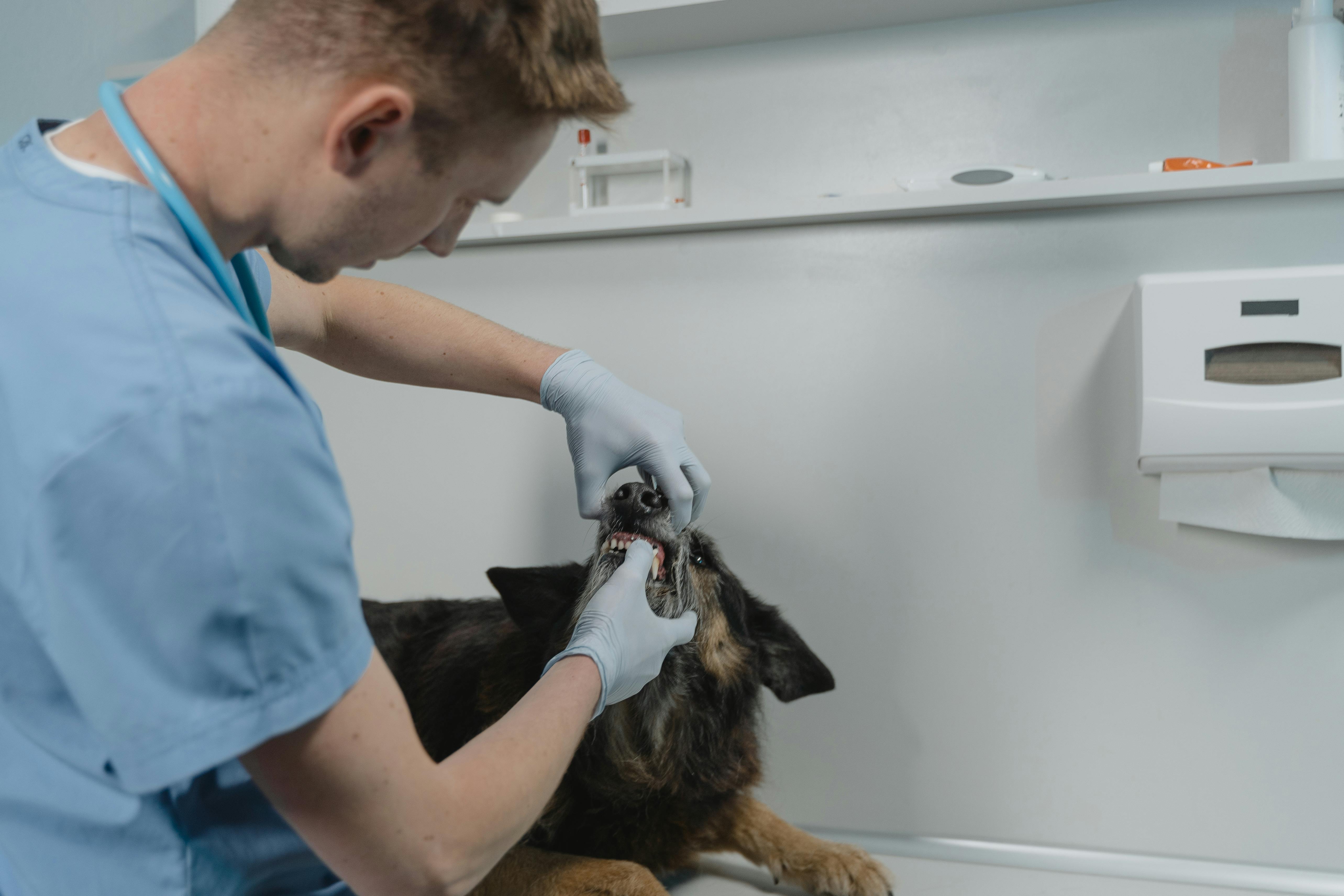
Finding a reliable pet hospital nearby can feel overwhelming, especially when a beloved companion needs immediate attention. The right facility not only offers emergency care but also provides preventive services, diagnostic expertise, and compassionate support that together safeguard a pet’s long-term health. This guide outlines the essential factors to consider when selecting a veterinary clinic, highlights key services that signal quality care, and offers practical tips for building a lasting relationship with the professionals who look after your animal family.
What Defines a Reliable Pet Hospital?
A trustworthy veterinary practice combines state-of-the-art equipment, experienced staff, and transparent communication. When evaluating options, look for the following hallmarks:
- Accredited veterinarians: Board-certified specialists in internal medicine, surgery, or dentistry demonstrate advanced training.
- Comprehensive emergency coverage: 24/7 availability or a clear referral network ensures prompt attention during crises.
- Modern diagnostic tools: Digital radiography, ultrasound, and in-house labs reduce wait times for results.
- Preventive wellness programs: Regular vaccinations, dental cleanings, and nutrition counseling keep pets healthy.
- Client education: Resources that explain procedures, medication regimes, and post-visit care empower owners.
For deeper insight into building a preventive care plan, Discover expert strategies here.
Key Services to Expect
Emergency and Critical Care
Unexpected injuries or sudden illnesses require rapid response. A reliable hospital should offer:
- Immediate triage and stabilization.
- Access to intensive care units equipped with monitoring equipment.
- Blood work, imaging, and surgical intervention performed on-site.
Routine Wellness Exams
Regular check-ups are the cornerstone of a pet’s health. Look for practices that provide:
- Age-appropriate vaccine schedules.
- Comprehensive physical examinations.
- Dental assessments and cleanings.
- Weight management and diet recommendations.
To explore how tailored wellness plans can extend a pet’s lifespan, Learn about our tailored solutions.
Specialized Diagnostic Services
Accurate diagnosis speeds recovery. Modern hospitals typically include:
- Digital X-ray and fluoroscopy.
- High-resolution ultrasound for abdominal and cardiac evaluation.
- In-house laboratory capable of CBC, chemistry panels, and hormone testing.
- Advanced imaging such as CT or MRI through referral partnerships.
How to Evaluate the Facility’s Quality
Beyond services, the environment and staff interactions reveal a hospital’s commitment to excellence.
- Cleanliness and organization: A well-maintained facility reduces infection risk.
- Staff demeanor: Veterinarians and technicians should communicate clearly, answer questions, and demonstrate empathy.
- Transparent pricing: Detailed estimates and discussion of alternatives help owners make informed decisions.
- Client reviews and referrals: Positive testimonials from local pet owners often reflect consistent care quality.
For a structured checklist, Explore advanced guides and tips.
Building a Long-Term Relationship with Your Veterinarian
Continuity of care improves outcomes. Consider these steps to foster a collaborative partnership:
- Schedule annual wellness visits even when the pet appears healthy.
- Maintain a detailed health record, including past surgeries, allergies, and medication histories.
- Ask for clarification on any recommended procedures or medications.
- Participate in preventive programs such as dental cleanings and parasite control.
Understanding the rationale behind each recommendation can be empowering; Find out more about this approach to proactive pet health.
Convenient Access and Location Considerations
When searching for “pet hospital near me,” proximity matters, but it should not compromise quality. Evaluate the following:
- Parking and accessibility: Easy drop-off and pick-up reduce stress for both pet and owner.
- Extended hours: Clinics offering early morning or evening appointments accommodate busy schedules.
- Online tools: Appointment portals, tele-medicine consultations, and digital reminders streamline communication.
Conclusion
Choosing a reliable pet hospital involves assessing expertise, services, facility standards, and the overall client experience. By prioritizing accredited veterinarians, comprehensive emergency capabilities, modern diagnostics, and a transparent, compassionate approach, owners can feel confident that their pets receive the best possible care. Regular wellness visits, informed decision-making, and a strong veterinarian-owner partnership create a foundation for a long, healthy life for every furry family member.