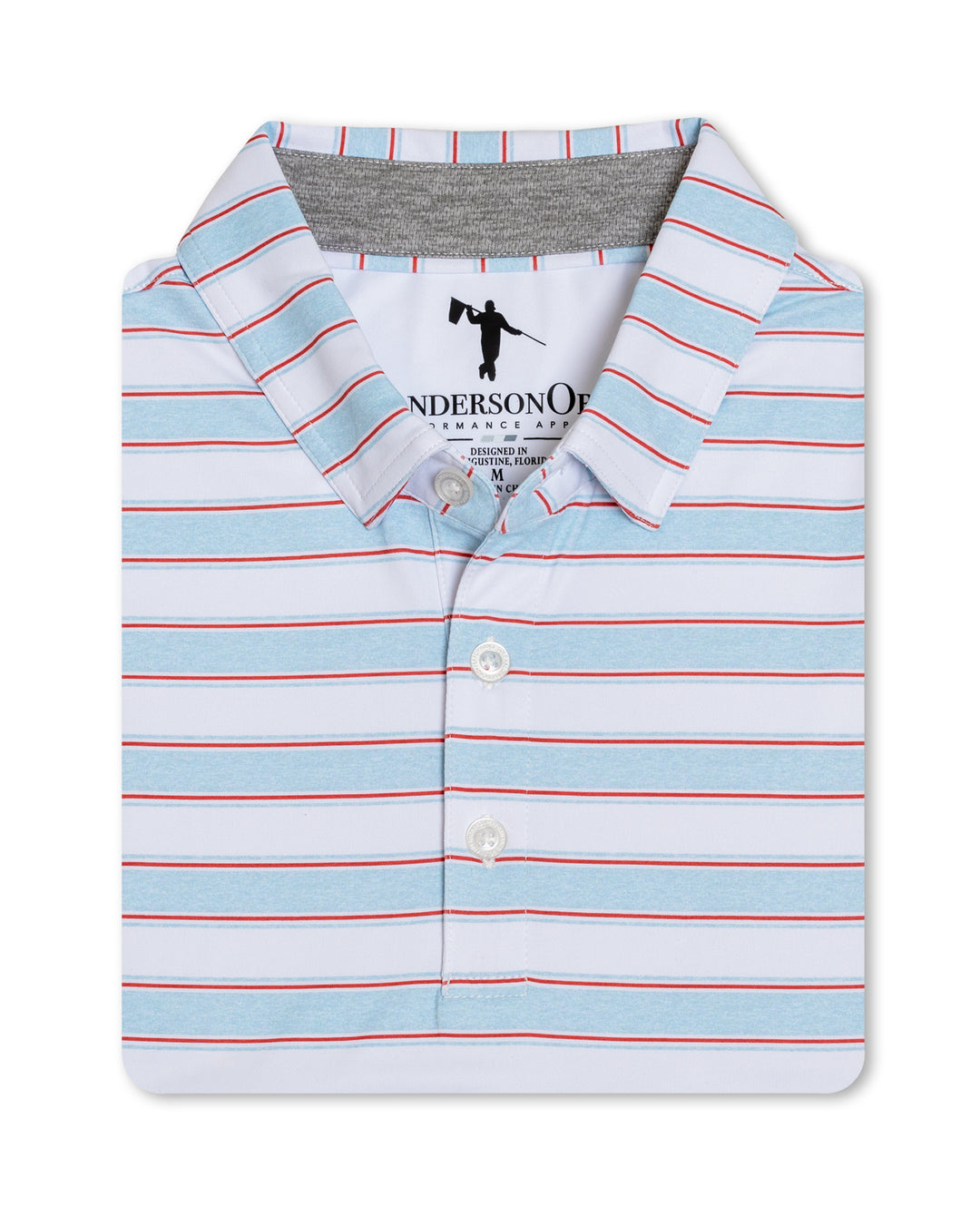
Golf attire has evolved far beyond the traditional knit sweaters and plain slacks. Today’s golfer expects garments that blend high-performance technology with runway-ready aesthetics. Whether navigating a windy fairway or stepping into the clubhouse lounge, the right clothing can enhance confidence, improve swing mechanics, and reflect a sophisticated sense of style. This guide explores the latest trends, fabric innovations, and styling strategies that empower the modern, fashion-forward golfer to look sharp while playing at peak performance.
Key Trends Shaping Contemporary Golf Wear
The market is responding to a demand for apparel that works as hard as the player. Designers are integrating classic silhouettes with bold details, creating a look that transitions seamlessly from the course to casual settings. For deeper insight into how these trends influence buying decisions, Discover expert strategies here.
- Technical Tailoring: Structured jackets and slim-fit trousers that retain shape after repeated movement.
- Color Play: Muted earth tones paired with vibrant accent stripes for a subtle pop of personality.
- Retro Revival: Vintage-inspired polos with modern moisture-wicking fabrics, echoing the sport’s heritage.
- Hybrid Pieces: Convertible pants and zip-off sleeves that adapt to changing weather without sacrificing style.
Fabric Innovations for Performance and Style
Advanced textiles are at the heart of modern golf clothing. Engineers are creating fibers that manage sweat, regulate temperature, and resist wrinkles, all while maintaining a luxurious feel. To explore how these materials are incorporated into premium collections, Learn about our tailored solutions.
Moisture Management
Synthetic blends such as polyester-spandex and merino-cotton hybrids pull sweat away from the skin, keeping the golfer dry during intense rounds. These fabrics also dry quickly, preventing the uncomfortable chill that can follow a sudden rain shower.
UV Protection
Integrated UV-blocking agents shield the skin from harmful rays without the need for additional sunscreen on the torso. This is especially valuable for early-morning tee times when the sun’s angle can be deceptive.
Stretch & Mobility
Four-way stretch constructions enable unrestricted rotation of the shoulders and hips, essential for a fluid swing. The elasticity is calibrated to provide support without a restrictive feel, allowing the golfer to maintain a natural posture.
Styling Tips for the Fashionable Golfer
Dressing for the course is an art that balances practicality with personal expression. Below are curated recommendations that help assemble a cohesive, on-point look:
- Pair a fitted, moisture-wicking polo with tapered chinos for a clean, modern silhouette.
- Layer a lightweight, waterproof windbreaker over a breathable shirt during early-morning rounds.
- Choose shoes with subtle branding and a sleek silhouette; neutral tones complement most outfit palettes.
- Accessorize with a minimalist leather belt and a classic cap that mirrors the color scheme of the outfit.
For further guidance on integrating these elements into a personal wardrobe, Explore advanced guides and tips.
Building a Versatile Golf Wardrobe
A well-curated collection reduces the need for frequent purchases while ensuring readiness for any course condition. Consider the following core pieces, each selected for its adaptability:
- Performance Polo: Neutral base colors (white, navy, charcoal) that pair with any bottom.
- Technical Sweater: Lightweight knit with stretch, ideal for cooler mornings.
- Convertible Trousers: Zip-off legs that transition from full length to shorts.
- All-Weather Jacket: Breathable, water-resistant shell with packable design.
- Smart Footwear: Golf shoes featuring spikeless soles for comfort on and off the green.
Detailed product recommendations and fit guides can be found by Find out more about this approach.
Sustainability and Ethical Considerations
Eco-conscious golfers are increasingly seeking apparel that aligns with environmental values. Brands are responding with recycled polyester, organic cotton blends, and low-impact dyeing processes. Selecting responsibly produced garments not only reduces carbon footprint but also supports fair labor practices throughout the supply chain.
- Look for certifications such as GRS (Global Recycled Standard) or GOTS (Global Organic Textile Standard).
- Prioritize items with durability guarantees to extend product lifespan.
- Consider resale or trade-in programs that keep garments in circulation.
The shift toward sustainable fashion is reflected in many modern collections, offering the stylish golfer a path to performance without compromise. For a deeper dive into sustainable options, Discover expert strategies here.