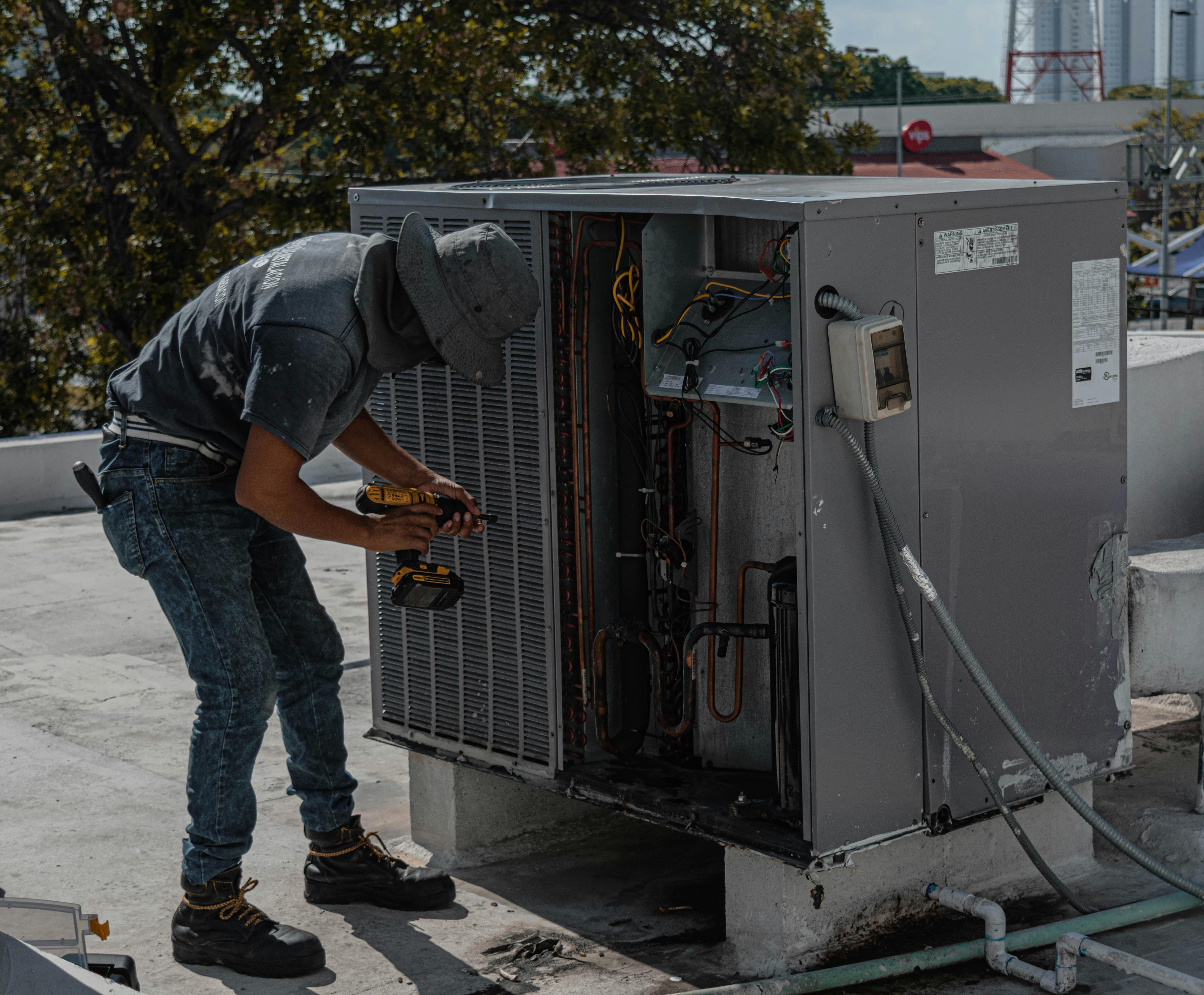
In today’s fast-paced world, ensuring that HVAC systems run smoothly is more crucial than ever. With increasing demands for energy efficiency and sustainability, maintaining these systems has evolved from a basic need to a sophisticated practice requiring expert intervention. Proper HVAC maintenance not only extends the lifespan of the equipment but also enhances its performance, ensuring a comfortable and healthy environment. As businesses and homeowners alike aim to optimize their systems, understanding the importance of professional HVAC care becomes essential.
Understanding the Importance of Regular HVAC Maintenance
Regular maintenance of HVAC systems is not just about preventing unexpected breakdowns; it is about optimizing efficiency and ensuring the longevity of the equipment. Here are some key reasons why consistent maintenance is vital:
- Efficiency Optimization: Regular servicing ensures that the system operates at peak efficiency, reducing energy consumption and lowering utility bills.
- Increased Lifespan: Well-maintained systems have a longer operational life, delaying the need for costly replacements.
- Improved Air Quality: Clean filters and ducts contribute to better indoor air quality, crucial for health and comfort.
- Reduced Risk of Breakdowns: Regular check-ups help identify potential issues before they escalate into major problems.
For more detailed insights into maintaining HVAC systems, explore advanced guides and tips.
Key Components of an Effective HVAC Maintenance Plan
Scheduled Inspections
Routine inspections are the cornerstone of a good maintenance plan. During these inspections, professionals can detect wear and tear, assess system components, and recommend necessary adjustments or repairs. To ensure the best outcomes, inspections should be scheduled at least twice a year.
Filter Replacements
Filters play a critical role in maintaining air quality and system efficiency. Regularly replacing filters helps in minimizing dust accumulation, ensuring that the air circulating through the system is clean and fresh. To understand more about how filter maintenance fits into an overall strategy, discover expert strategies here.
System Calibration
Calibrating HVAC components such as thermostats and sensors guarantees that systems operate within their designed parameters. Proper calibration enhances performance and prevents unnecessary energy usage.
Comprehensive Cleaning
Thorough cleaning of ducts, coils, and other components is essential to prevent the buildup of dirt and debris, which can hinder system efficiency. This task should be handled by professionals who understand the complexities of HVAC systems.
Signs Your HVAC System Needs Professional Attention
Despite regular maintenance, there are times when systems may need a professional’s touch. Recognizing these signs early can prevent further complications:
- Unusual Noises: Clanking or banging sounds are often signs of loose or damaged components.
- Inconsistent Temperatures: If different areas of a building have varying temperatures, it may indicate an issue with airflow or thermostat settings.
- Increased Energy Bills: A sudden spike in energy costs could be a signal that the system is not operating efficiently.
- Poor Airflow: Weak airflow from vents can suggest blockages or failing components.
If any of these indicators are present, it may be time to find out more about this approach to professional HVAC maintenance.
Conclusion: The Path to Efficient HVAC Systems
Ensuring the smooth operation of HVAC systems is a multifaceted process that demands consistent attention and expertise. By investing in regular maintenance, businesses and homeowners not only protect their investment but also contribute to a more sustainable and comfortable environment. For those seeking to enhance their system’s performance, learn about our tailored solutions designed to keep your systems running efficiently and effectively.