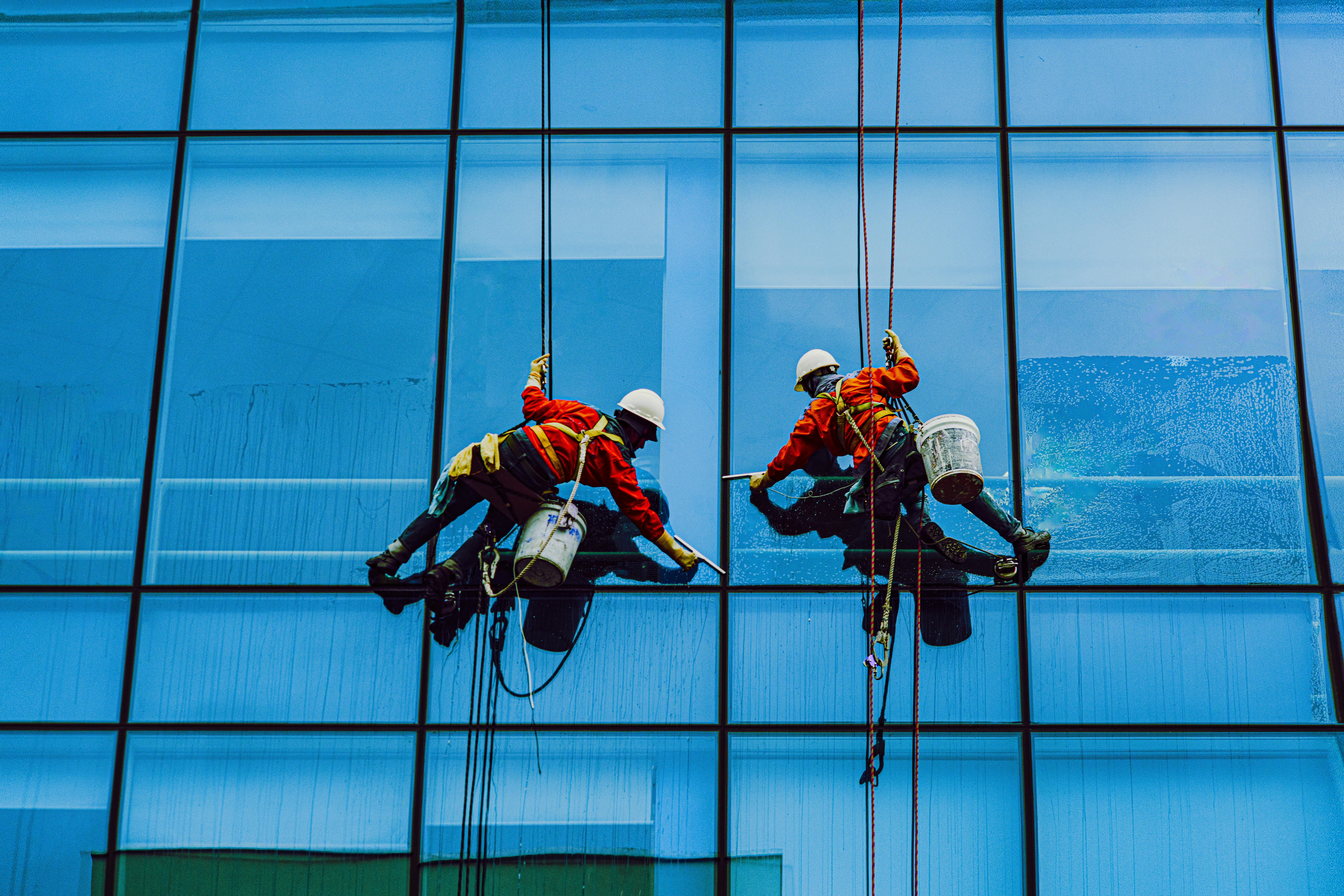
High-rise painting is a specialized field requiring advanced techniques and equipment to ensure both safety and quality. As urban landscapes continue to evolve, so too do the methods used in maintaining the aesthetic and structural integrity of these towering structures. With technological advancements and an increasing focus on sustainability, innovative high-rise painting techniques are emerging that promise improved efficiency, safety, and environmental responsibility.
The Importance of Safety Protocols
Safety remains the foremost priority in high-rise painting. The complex and hazardous nature of working at such elevations necessitates strict adherence to safety protocols:
- Utilization of advanced safety harnesses and rigging systems.
- Regular training and certification for painters in high-rise safety standards.
- Continuous monitoring and maintenance of equipment to prevent accidents.
Discover expert strategies here for implementing effective safety measures in high-rise environments.
Technological Advancements
The integration of technology in high-rise painting techniques has revolutionized the industry. Some of the most notable advancements include:
- Drone Technology: Drones are increasingly used for initial inspections and assessments, providing detailed imagery and data for planning.
- Robotic Painters: These machines are capable of covering large surfaces efficiently and safely, reducing the need for human exposure to heights.
- High-Performance Coatings: New formulations offer enhanced durability and weather resistance, crucial for high-rise buildings exposed to harsh conditions.
Learn about our tailored solutions for incorporating technology into your high-rise painting projects here.
Sustainable Practices
Sustainability is becoming a key consideration in the selection of painting techniques and materials. Environmentally friendly practices are being adopted to minimize the ecological footprint of high-rise painting projects:
- Use of low-VOC (Volatile Organic Compounds) paints to reduce harmful emissions.
- Recycling and proper disposal of paint and materials to prevent environmental contamination.
- Energy-efficient practices in the preparation and application of coatings.
Find out more about this approach to sustainable high-rise painting here.
Training and Expertise
The expertise required for high-rise painting is specialized and requires ongoing training. Painters must be adept in both the technical and safety aspects of the job. This involves:
- Understanding the unique challenges posed by different building materials and designs.
- Staying updated with the latest industry standards and technologies.
- Continuous skill development through workshops and certifications.
Explore advanced guides and tips for developing high-rise painting expertise here.
Conclusion
The field of high-rise painting is evolving rapidly, with innovations enhancing both the safety and efficiency of operations. From implementing cutting-edge technology to adopting sustainable practices, the future of high-rise painting is geared towards greater innovation and environmental responsibility. For those involved in the upkeep of towering structures, staying informed and adaptable is essential to harness these advancements effectively.