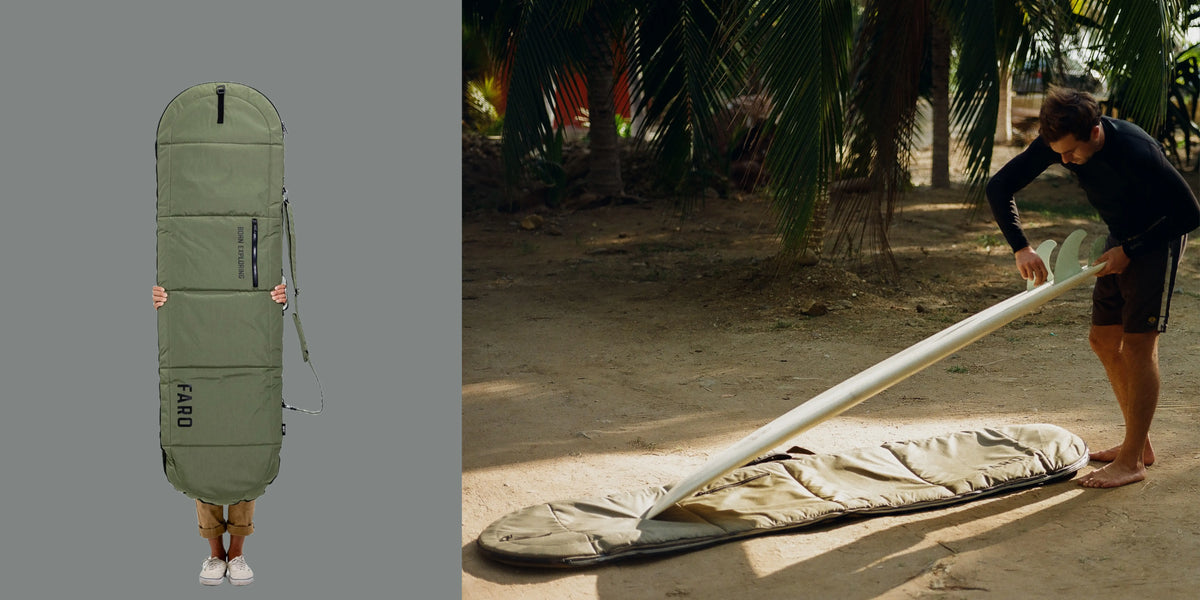
When a surf session ends, the priority shifts from catching waves to efficiently drying out a wetsuit. A wet wetsuit not only feels uncomfortable but also accelerates material wear and can lead to odor buildup. High-performance wetsuit backpacks are engineered to address these challenges by providing optimal airflow, moisture-wicking interiors, and durable construction. This article explores the key features, material considerations, and best practices for selecting a wetsuit backpack that ensures rapid dry-out while protecting valuable gear.
Why a Dedicated Wetsuit Backpack Matters
Standard gym bags or generic duffel bags often lack the ventilation and structural support required for wetsuits. A purpose-built wetsuit backpack offers several advantages:
- Improved Airflow: Mesh panels and vented compartments promote circulation, reducing drying time.
- Shape Retention: Internal sleeves keep the wetsuit stretched, preventing creases that can weaken seams.
- Protection from Elements: Water-resistant exteriors shield the wetsuit from rain and sand while still allowing moisture to escape.
- Convenient Transport: Ergonomic straps and padded backs reduce strain during travel to and from the beach.
Core Design Features to Look For
Ventilation Systems
Effective ventilation is the cornerstone of rapid dry-out. Look for backpacks that incorporate:
- Mesh side panels or back panels that create a cross-draft.
- Strategically placed zippered vents that can be opened or closed based on weather conditions.
- Air-flow channels that separate the wetsuit from the bag’s outer shell.
Internal Organization
A well-organized interior prevents the wetsuit from folding on itself, which can trap moisture. Key organizational elements include:
- Dedicated sleeves or compartments sized for full-length wetsuits.
- Separate pockets for accessories such as fins, rash guards, and small towels.
- Adjustable straps or buckles that secure the wetsuit without excessive pressure.
Material Selection
The choice of fabric influences both durability and drying efficiency. Consider the following materials:
- Ripstop Nylon: Lightweight, tear-resistant, and often treated with water-repellent coatings.
- Polyester with UV Protection: Helps prevent sun-induced degradation of the bag and its contents.
- High-Density Foam Padding: Provides comfort on the back while allowing air to pass through.
Performance Enhancements
Beyond basic design, several advanced features can further accelerate drying:
- Quick-Dry Liners: Fabrics that wick moisture away from the wetsuit and disperse it across the bag’s surface.
- Ventilation Flaps: Removable or fold-over sections that increase surface area when fully opened.
- Anti-Mold Treatments: Coatings that inhibit bacterial growth in damp environments.
Choosing the Right Size
Wetsuit dimensions vary by thickness, length, and style (e.g., full-sleeve vs. short-sleeve). Selecting a backpack that matches the specific size of the wetsuit is essential to maintain shape and airflow. Measure the wetsuit’s length and chest circumference, then compare those measurements with the bag’s internal dimensions, which are usually listed in product specifications.
Maintenance Tips for Longevity
Even the best-designed backpack requires proper care to retain its performance:
- Rinse the bag with fresh water after each use to remove salt and sand.
- Allow the bag to air dry completely before storing it in a closed space.
- Inspect seams and zippers regularly; replace worn components to prevent water ingress.
- Apply a silicone-based spray to mesh panels annually to maintain water-repellent properties.
Integrating the Backpack into a Surf Routine
Incorporating a high-performance wetsuit backpack into daily surf habits can streamline post-session routines. A practical workflow might look like this:
- Rinse the wetsuit in fresh water immediately after exiting the water.
- Shake off excess water and loosely roll the wetsuit to remove surface moisture.
- Place the wetsuit into the dedicated sleeve of the backpack, ensuring it remains stretched.
- Close any vent flaps and zip the bag, then transport it to a shaded, well-ventilated area.
- Check the bag’s vents periodically; open them fully on warm days to maximize airflow.
For a deeper dive into the technical aspects of moisture management, Read more about this topic.
Environmental Considerations
Choosing a backpack made from recycled or sustainably sourced materials reduces environmental impact. Look for certifications such as Global Recycled Standard (GRS) or bluesign® that indicate responsible manufacturing practices. Sustainable choices align with the broader ethos of ocean stewardship shared by the surfing community.
When evaluating options, Learn more in this detailed guide. This resource outlines material provenance, durability testing, and lifecycle assessments that help inform an eco-conscious purchase.
Conclusion
Investing in a high-performance wetsuit backpack is a strategic decision for any surfer seeking faster dry-out, gear protection, and ergonomic transport. By prioritizing ventilation, internal organization, and appropriate material choices, the backpack becomes an essential extension of the surf routine. Regular maintenance and mindful usage further extend the lifespan of both the bag and the wetsuit, ensuring that every session ends with comfort rather than lingering dampness. For additional insights on selecting the optimal gear, Explore further insights here.