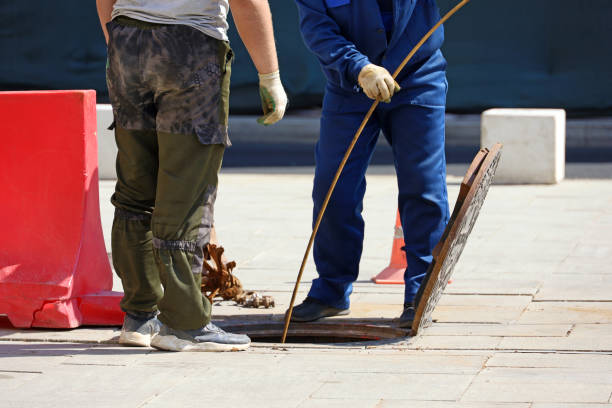
The infrastructure beneath Denver”?s busy streets is as crucial as the skyline above. Among the vital components of this underground network are the sewer systems, which are indispensable for maintaining public health and sanitation. Traditional sewer repair methods often involve disruptive and costly excavation processes. However, advances in trenchless technology provide an efficient and cost-effective alternative. This article explores the advantages of trenchless sewer repair in Denver, highlighting how this innovative method is revolutionizing urban infrastructure maintenance.
Understanding Trenchless Technology
Trenchless sewer repair refers to a range of techniques that allow for the installation, replacement, or renewal of underground pipes with minimal surface disruption. Unlike traditional methods, trenchless technology eliminates the need for extensive digging, making it an attractive option for urban areas.
Advantages of Trenchless Sewer Repair
- Minimal Disruption: Since there is little to no digging involved, trenchless methods cause minimal disruption to traffic, landscapes, and everyday activities.
- Cost-Effective: Although the initial cost may be higher than traditional methods, the overall expenses are often lower due to reduced labor and restoration costs.
- Time-Saving: Trenchless repair methods can be completed in a fraction of the time compared to traditional excavation processes.
- Environmentally Friendly: With less excavation, there is a reduced impact on the environment, preserving natural landscapes and reducing waste.
- Durability: The materials used in trenchless technology are designed to last longer, ensuring a robust and reliable sewer system.
Common Trenchless Repair Methods
There are several trenchless methods used for sewer repair, each suited for different scenarios and pipe conditions:
CIPP (Cured-In-Place Pipe)
CIPP involves inserting a flexible liner impregnated with resin into the existing pipe. The liner is then inflated and cured to form a new, seamless pipe within the old one. This method is ideal for repairing cracked or damaged pipes without the need for excavation.
Pipe Bursting
This technique involves breaking and expanding the existing pipe while simultaneously pulling a new pipe into place. Pipe bursting is particularly effective for replacing pipes that have suffered severe damage or are undersized for current needs.
Directional Drilling
Directional drilling is used to install new pipes along a predetermined path with minimal surface disruption. This method is beneficial for laying pipes beneath obstacles such as roads or buildings.
The Economic Impact of Trenchless Technology
The adoption of trenchless sewer repair in urban areas like Denver has a significant positive economic impact. The reduction in labor and restoration costs, coupled with the minimized disruption to businesses and traffic, results in substantial savings for municipalities and property owners. Additionally, the increased reliability and longevity of trenchless solutions reduce the frequency of future repairs.
Choosing the Right Sewer Repair Solution
When considering sewer repair options, it is important to evaluate the specific needs of the infrastructure in question. Factors such as pipe condition, location, and budget constraints will influence the choice of repair method. Consulting with experienced professionals who specialize in trenchless sewer repair in Denver can provide valuable insights and ensure the selection of the most appropriate solution.
In conclusion, trenchless sewer repair offers a modern, efficient, and cost-effective solution for maintaining and upgrading Denver”?s essential sewer infrastructure. Its advantages over traditional methods make it the preferred choice for urban environments where minimizing disruption is critical. As technology continues to advance, trenchless methods will likely become even more integral to urban infrastructure management.