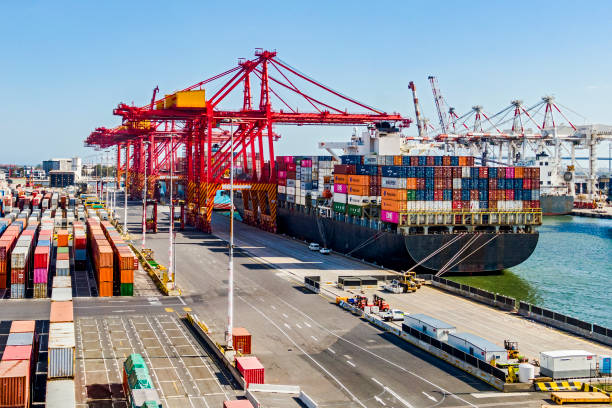
In today’s fast-moving markets, commodity traders need more than intuition; they require data-driven insights that turn volatility into opportunity. Advanced analytics empower both buyers and sellers to evaluate price trends, assess risk, and execute strategies with precision. By integrating sophisticated models, real-time data feeds, and predictive algorithms, market participants can navigate the complexities of global supply chains while maintaining confidence in every transaction.
Why Advanced Analytics Matter in Commodity Trading
Commodity markets are influenced by a myriad of factors, weather patterns, geopolitical events, currency fluctuations, and transportation bottlenecks. Traditional analysis often falls short in capturing these dynamic interactions. Advanced analytics offers:
- Real-time visibility: Continuous monitoring of price movements and inventory levels across multiple exchanges.
- Predictive modeling: Forecasts that incorporate historical data, seasonal trends, and emerging market signals.
- Risk mitigation: Scenario analysis that quantifies potential losses under different market conditions.
- Operational efficiency: Optimization of logistics, storage, and financing decisions.
For traders looking to deepen their analytical capabilities, Discover expert strategies here. provides a gateway to resources that blend theory with practical application.
Key Analytical Tools for Buying Commodities
1. Price Forecasting Engines
Machine-learning models ingest vast datasets, from satellite imagery of crop health to shipping manifests, to generate forward-looking price estimates. These forecasts help buyers lock in favorable contracts before market spikes.
2. Supply-Chain Visibility Platforms
Integrated dashboards track shipments, port congestion, and storage capacity in real time. Visibility reduces uncertainty and enables more accurate timing of purchases.
3. Scenario Planning Simulators
By adjusting variables such as fuel costs, tariffs, or weather disruptions, traders can evaluate the impact on total acquisition cost and identify the most resilient purchasing strategy.
Advanced Analytics for Selling Commodities
1. Dynamic Pricing Models
Algorithms adjust sale prices based on current demand, competitor activity, and inventory turnover rates. Sellers can maximize revenue while remaining competitive.
2. Market Sentiment Analysis
Natural-language processing (NLP) scans news feeds, social media, and analyst reports to gauge market mood. Positive sentiment may justify premium pricing, whereas negative sentiment signals the need for discounting.
3. Optimized Hedging Strategies
Quantitative models determine the optimal mix of futures, options, and swaps to protect against adverse price movements without over-hedging.
To explore practical examples of these tools in action, Explore advanced guides and tips. offers case studies that illustrate measurable performance improvements.
Implementing an Analytics-First Trading Workflow
Adopting advanced analytics is not merely a technology upgrade; it requires a structured workflow that aligns data, people, and processes.
- Data Integration: Consolidate internal transaction data with external market feeds.
- Model Development: Build and validate predictive models using historical and real-time inputs.
- Decision Support: Embed analytics outputs into trading platforms for actionable insights.
- Continuous Learning: Retrain models regularly to reflect evolving market conditions.
Organizations seeking a step-by-step roadmap can Find out more about this approach. to ensure a smooth transition from legacy methods to a data-centric trading environment.
Benefits of a Data-Driven Commodity Strategy
- Increased profit margins through better timing and pricing.
- Reduced exposure to unexpected market shocks.
- Enhanced negotiation power with suppliers and buyers.
- Improved compliance with regulatory reporting requirements.
- Greater transparency across the entire supply chain.
Conclusion
Leveraging advanced analytics transforms commodity trading from a gamble into a disciplined, evidence-based practice. By embracing predictive models, real-time data streams, and robust risk frameworks, both buyers and sellers can act with confidence, capture value, and stay ahead of market turbulence. The path forward lies in integrating these analytical capabilities into every trading decision, ensuring that each transaction is supported by the best possible insight.