When the summer heat peaks in Kennesaw, GA, a reliable air conditioning system becomes essential for comfort, productivity, and health. However, even the most robust units can develop problems that reduce efficiency, increase energy costs, and compromise indoor air quality. Understanding common issues, preventive maintenance, and the steps to take when repairs are needed can help homeowners and property managers keep their cooling systems running smoothly year-round.
Common Air Conditioning Problems in Kennesaw
Identifying symptoms early can prevent minor inconveniences from turning into costly emergencies. The following list outlines the most frequently encountered issues:
- Insufficient Cooling: The unit runs but fails to reach the thermostat setting.
- Frequent Cycling: The system turns on and off repeatedly, indicating possible refrigerant leaks or thermostat errors.
- Strange Noises: Rattling, squealing, or grinding sounds often signal worn bearings, loose components, or motor problems.
- Water Leaks: Condensate overflow can result from clogged drain lines or a malfunctioning pump.
- High Energy Bills: A drop in efficiency typically points to dirty filters, low refrigerant, or failing compressors.
Preventive Maintenance Checklist
Regular upkeep is the most effective way to extend the lifespan of an air conditioning system. The checklist below can be performed monthly during the cooling season and quarterly in milder months.
Monthly Tasks
- Inspect and replace air filters if they appear dirty.
- Check thermostat settings for proper programming.
- Listen for unusual noises during operation.
Quarterly Tasks
- Clean evaporator and condenser coils to improve heat exchange.
- Clear the condensate drain line to prevent blockages.
- Examine electrical connections for signs of wear or corrosion.
- Verify refrigerant charge levels and look for leaks.
When to Call a Professional
Some repairs require specialized tools and expertise. If any of the following conditions are observed, it is advisable to seek qualified assistance:
- Persistent inability to reach the desired temperature after basic troubleshooting.
- Visible refrigerant leaks or oily residue on components.
- Frequent short cycling that does not resolve with filter changes.
- Electrical issues such as tripped breakers or burnt wiring.
- Unusual odors, especially a sweet or chemical smell, indicating possible refrigerant leaks.
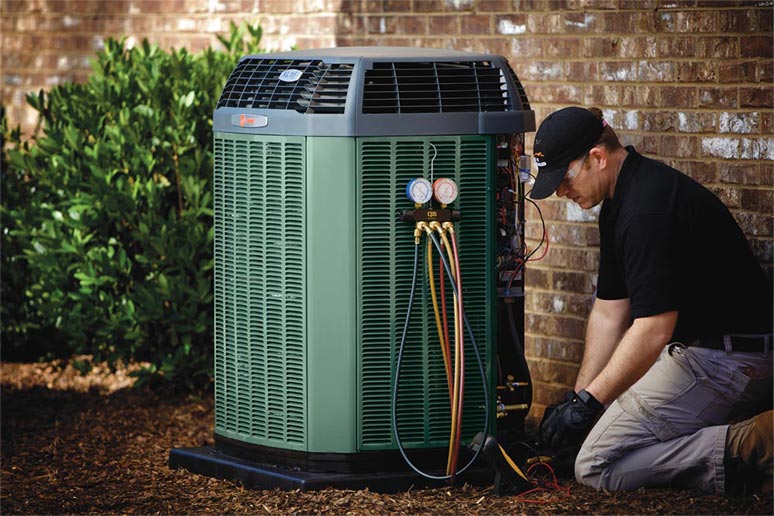
Professional technicians can perform detailed diagnostics, safely handle refrigerants, and ensure compliance with local codes. For residents seeking qualified help in the area, Read more about this topic.
Choosing the Right Repair Approach
Repair strategies generally fall into three categories: component replacement, system overhaul, or complete replacement. The decision depends on factors such as the age of the unit, the severity of the fault, and cost-effectiveness.
- Component Replacement: Ideal for isolated failures like a broken fan motor or a faulty capacitor.
- System Overhaul: Involves multiple part replacements and may be suitable for units nearing the end of their typical 10-15 year lifespan.
- Full Replacement: Recommended when efficiency has deteriorated significantly, or when repair costs approach 50% of a new system’s price.
Understanding these options helps homeowners make informed decisions that balance comfort with budget considerations. For a deeper dive into repair considerations, Learn more in this detailed guide.
Energy Efficiency Tips After Repair
Once the system is restored, adopting energy-saving practices can reduce utility expenses and lessen environmental impact.
- Set the thermostat to 78°F (26°C) when occupants are home and raise it a few degrees while away.
- Utilize programmable or smart thermostats to automate temperature adjustments.
- Maintain proper airflow by keeping vents and registers unobstructed.
- Seal windows and doors to prevent cool air from escaping.
- Schedule annual professional tune-ups to keep the system operating at peak efficiency.
Local Climate Considerations
Kennesaw experiences hot, humid summers and occasional severe thunderstorms. These conditions can accelerate wear on outdoor condensers and increase the likelihood of debris accumulation. Homeowners should:
- Trim vegetation at least two feet away from the outdoor unit to ensure adequate airflow.
- Inspect the unit after storms for damage to fins, fan blades, or electrical components.
- Consider installing a protective grill to shield the condenser from wind-blown debris.
Conclusion
Effective air conditioning repair in Kennesaw, GA hinges on early detection, routine maintenance, and timely professional intervention. By following the outlined checklist, recognizing when expert help is required, and adopting energy-saving habits, residents can enjoy consistent cooling performance while minimizing repair costs. For additional resources specific to the Kennesaw area, Explore further insights here.