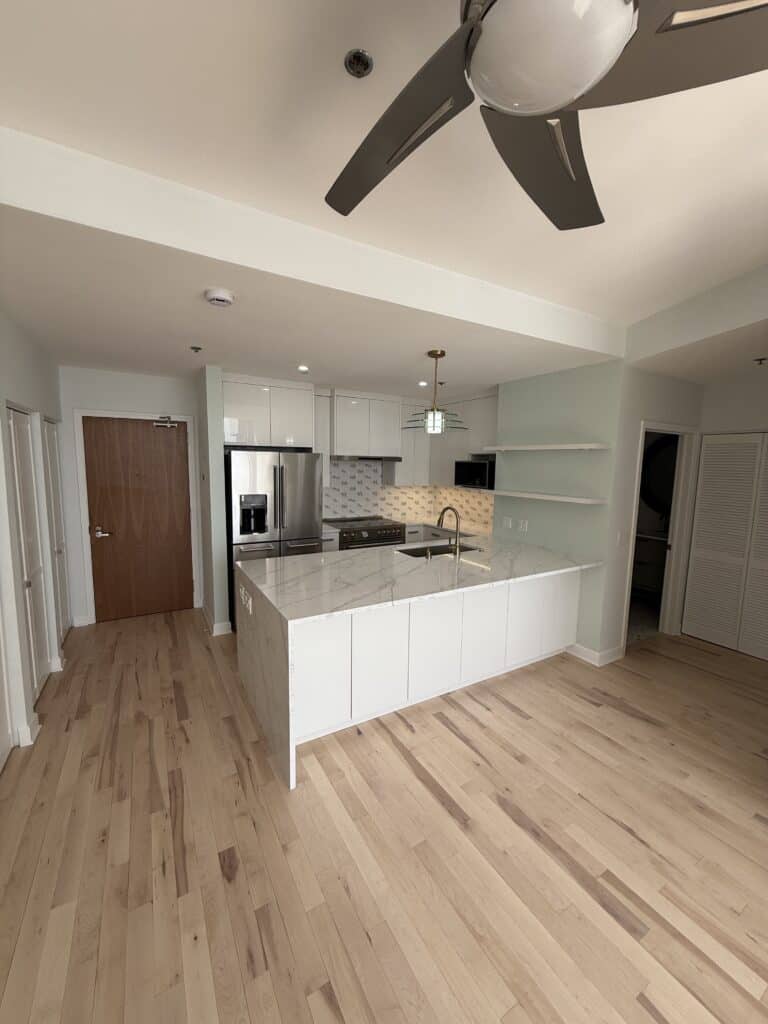
Renovating a kitchen is one of the most rewarding home improvement projects, offering a blend of functional upgrades and aesthetic transformation. A modern kitchen not only enhances daily cooking experiences but also adds significant value to a property. Selecting a top-rated kitchen renovation contractor ensures that the design vision is executed with precision, quality materials, and adherence to timelines. This guide outlines the essential factors to consider when choosing a professional who can deliver a contemporary, efficient, and stylish kitchen space.
Key Qualities of a Top-Rated Kitchen Renovation Contractor
Experience and Expertise
- Proven track record of completing modern kitchen projects.
- Specialized knowledge of current design trends, such as open-concept layouts, smart appliances, and sustainable materials.
- Ability to interpret architectural drawings and translate them into practical, buildable plans.
Licensing, Insurance, and Certifications
- Valid state contractor’s license and appropriate trade certifications.
- Comprehensive liability insurance and workers’ compensation coverage.
- Membership in professional bodies that uphold industry standards.
Transparent Communication
- Clear, written contracts detailing scope, timeline, and cost breakdown.
- Regular progress updates and open channels for client questions.
- Responsive project management that adapts to design changes without compromising quality.
Evaluating Portfolio and Design Capability
A contractor’s portfolio provides insight into their design sensibility and technical proficiency. Look for projects that showcase:
- Clean lines, minimalistic cabinetry, and integrated lighting solutions.
- Use of high-performance appliances and smart home integration.
- Thoughtful space planning that maximizes workflow efficiency.
When reviewing examples, consider how the contractor handled:
- Material selection and sourcing.
- Coordination with electricians, plumbers, and HVAC specialists.
- Compliance with local building codes and accessibility standards.
For additional guidance on assessing project portfolios, Read more about this topic.
Project Management Process
A well-organized renovation follows a structured process:
1. Initial Consultation and Site Assessment
- Discuss client goals, budget constraints, and timeline expectations.
- Conduct a thorough measurement of the existing space.
- Identify potential challenges such as structural limitations or ventilation needs.
2. Design Development
- Create detailed floor plans, 3-D renderings, and material boards.
- Incorporate client feedback to refine the design.
- Prepare a comprehensive cost estimate.
3. Permitting and Approvals
- Submit required documentation to local authorities.
- Ensure all plans meet safety and code requirements.
- Obtain necessary permits before construction begins.
4. Construction Phase
- Demolition of existing structures performed safely and efficiently.
- Installation of cabinetry, countertops, flooring, and appliances.
- Regular site inspections to maintain quality standards.
5. Final Walk-Through and Closeout
- Inspect completed work against the original scope.
- Address any punch-list items promptly.
- Provide warranty documentation and maintenance recommendations.
Understanding this workflow helps homeowners set realistic expectations and ensures that the contractor follows best practices. Learn more in this detailed guide.
Cost Management and Value Optimization
While budget is a primary concern, focusing solely on price can compromise quality. Effective contractors balance cost with long-term value by:
- Recommending durable, low-maintenance materials.
- Suggesting energy-efficient appliances that reduce utility expenses.
- Utilizing modular construction techniques to minimize waste.
Transparent cost tracking, including change order procedures, prevents unexpected overruns. Homeowners should request a line-item estimate and compare it with industry benchmarks.
Sustainability and Smart Technology Integration
Modern kitchens increasingly incorporate eco-friendly solutions and automation:
- Recycled or reclaimed wood for cabinets.
- Low-VOC paints and sealants.
- Smart lighting, voice-controlled faucets, and appliance connectivity.
A contractor knowledgeable in these areas can guide selections that align with both environmental goals and technological convenience. Explore further insights here.
Final Checklist Before Hiring
- Verify licensing, insurance, and certifications.
- Review at least three recent modern kitchen projects.
- Confirm a detailed written contract with clear payment schedule.
- Ensure the contractor provides a warranty for workmanship and materials.
- Assess communication style and responsiveness during the initial consultation.
By following this comprehensive framework, homeowners can confidently select a top-rated kitchen renovation contractor capable of delivering a modern, functional, and aesthetically pleasing kitchen that stands the test of time.