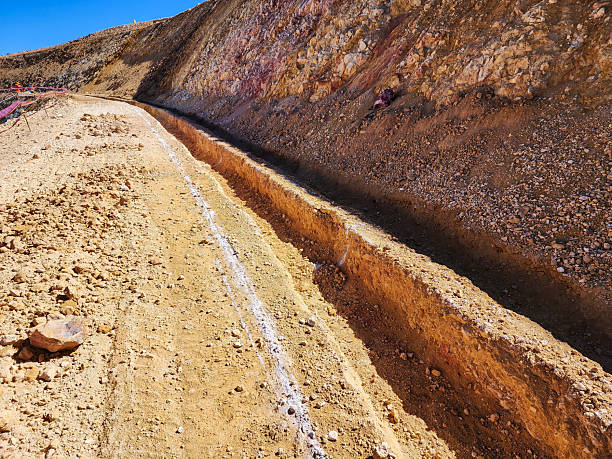
Finding the right professionals to prepare a site for construction can be the difference between a smooth build and costly delays. Land grading shapes the foundation, controls drainage, and creates a level surface that meets engineering specifications. When searching for “land grading contractors near me,” it’s essential to evaluate experience, equipment, and local knowledge to ensure the project stays on schedule and within budget.
Why Professional Grading Matters
Proper grading is more than just moving soil; it involves precise calculations and an understanding of soil mechanics, water flow, and regulatory requirements. Professional contractors bring:
- Accurate site surveys and laser-leveling technology.
- Knowledge of local soil types and climate impacts.
- Compliance with municipal grading permits and erosion control standards.
- Efficient equipment that reduces labor time and material waste.
Key Services to Expect
Site Preparation and Clearing
Before any grading begins, the area must be cleared of vegetation, debris, and existing structures. This step ensures a clean canvas for precise earthmoving.
Fine-Tune Grading and Compaction
Using GPS-guided machinery, contractors achieve the exact slope and elevation required for drainage and building codes. Compaction follows to prevent future settlement.
Erosion Control and Stormwater Management
Implementing silt fences, sediment basins, and proper grading slopes helps protect nearby waterways and satisfies environmental regulations.
Choosing the Right Contractor
When evaluating potential partners, consider the following criteria to narrow down the best fit for your project:
- Local Experience: Companies familiar with the terrain in Nampa, Caldwell, and Boise understand regional soil behavior and permitting processes.
- Equipment Portfolio: Modern dozers, graders, and compactors indicate a capacity to handle projects of varying sizes.
- References and Portfolio: Review past projects similar in scope to gauge quality and reliability.
- Insurance and Licensing: Verify that the contractor holds proper liability coverage and state-required licenses.
Integrating Grading with Your Overall Project Timeline
Coordinating grading work with foundation pouring, utility installation, and landscaping avoids bottlenecks. A well-planned schedule typically follows these phases:
- Survey and design approval.
- Site clearing and rough grading.
- Fine grading and compaction.
- Inspection and sign-off before foundation work.
Cost Considerations
Grading costs vary based on acreage, soil type, and required slope precision. Transparent estimates should break down:
- Mobilization and equipment fees.
- Labor rates and crew size.
- Material disposal or import costs.
- Contingency for unexpected site conditions.
Obtaining multiple quotes and comparing the scope of services helps ensure you receive fair pricing without sacrificing quality.
Local Resources and Regulations
Municipalities in the Treasure Valley often require grading permits and stormwater plans. Checking with the city planning department early can prevent costly re-work. Additionally, the Idaho Department of Water Resources provides guidelines on erosion control that many contractors incorporate into their standard practice.
Trusted Options for Commercial Projects
For larger developments, such as retail centers or industrial parks, partnering with a firm that specializes in commercial site grading can streamline the process. These specialists understand the nuances of high-traffic load distribution and can coordinate closely with civil engineers.
Finding the Right Fit for Residential or Small-Scale Work
Homeowners and small contractors often search for land grading contractors near me to handle driveway cuts, backyard leveling, or garden terracing. Look for providers who offer flexible scheduling and clear communication to keep the project on track.
Conclusion
Selecting a qualified grading partner involves assessing expertise, equipment, local knowledge, and cost transparency. Whether the need is for extensive commercial land grading or a modest residential slope, the right contractor will lay a solid foundation for every subsequent construction phase. Investing time in research and asking the right questions now will pay dividends in a smoother build, reduced risk, and a finished site that meets all functional and regulatory expectations.