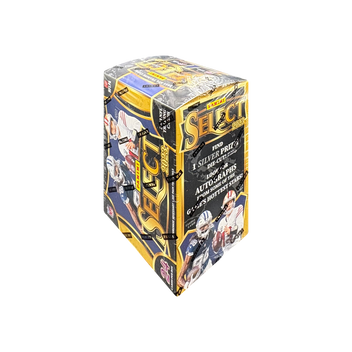
Collecting vintage trading cards is more than a hobby; it is a journey through sports history, pop culture, and the art of card design. Enthusiasts who appreciate the tactile feel of a well-preserved card understand the value of authenticity, condition, and rarity. For those looking to expand a collection or start a new one, a curated selection of classic cards offers both investment potential and nostalgic enjoyment. This article explores why vintage trading cards remain compelling, how to evaluate them, and what to expect when browsing a reputable online catalog.
Why Vintage Trading Cards Hold Enduring Appeal
The allure of vintage cards stems from several factors that intersect history, scarcity, and visual appeal. Each card tells a story, whether it captures a legendary athlete’s rookie season, a milestone moment, or a piece of cultural zeitgeist. Over time, these cards become artifacts that connect collectors to moments that shaped sports and entertainment.
Key Drivers of Value
- Historical Significance: Cards featuring Hall of Famers, early-career milestones, or iconic events often appreciate as the narrative around the subject grows.
- Condition and Grading: A card graded by a recognized service (PSA, BGS, etc.) can command a premium, especially when the grade reflects near-mint preservation.
- Print Run Rarity: Limited-edition releases, short-run series, or misprints create scarcity that drives collector demand.
- Design Aesthetics: Early artwork, unique foil treatments, and vintage typography add a visual charm absent from many modern releases.
How to Assess Vintage Cards Before Purchase
Evaluating a card’s authenticity and condition requires a systematic approach. While seasoned collectors develop an eye over years, newcomers can rely on a checklist to ensure they are making informed decisions.
Essential Evaluation Checklist
- Verify the Vintage Trading Cards source, reputable dealers provide provenance documentation.
- Inspect the card under bright, even lighting for surface wear, creases, or discoloration.
- Check the card’s edges and corners; sharp, unfrayed edges are a hallmark of high condition.
- Confirm the card’s dimensions and weight match the original specifications.
- Look for authentic holograms, serial numbers, or other security features if applicable.
- Consider third-party grading reports; a certified grade adds credibility.
Exploring a Curated Selection Online
A well-organized Trading Card Store offers a browsing experience that mirrors the tactile excitement of a physical shop. Filters for sport, era, player, and condition allow collectors to pinpoint exactly what they need. Detailed product pages often include high-resolution images, grading information, and historical context, making it easier to assess a card’s relevance to a personal collection.
Categories Typically Featured
- Baseball Classics: Early 20th-century sets, 1952 Topps, and rare rookie cards.
- Football Legends: 1960s AFL/NFL cards, 1970s Topps, and iconic Super Bowl memorabilia.
- Basketball Heritage: 1970s-1990s cards featuring the rise of the modern NBA.
- Multisport Collections: Packs that combine athletes from various disciplines, appealing to diversified collectors.
Integrating Vintage Cards into a Modern Collection
While vintage cards hold intrinsic value, they also complement contemporary pieces, creating a narrative arc across decades. Pairing a 1952 baseball rookie with a modern parallel-year counterpart can illustrate the evolution of player scouting, card technology, and market dynamics.
Tips for Seamless Integration
- Use protective sleeves and top loaders to preserve condition across all eras.
- Display cards in themed binders or frames that highlight chronological progress.
- Maintain a digital inventory with photos and acquisition dates for easy reference.
- Engage with community forums and local shows to exchange insights and discover hidden gems.
Beyond Cards: Complementary Sports Memorabilia
For collectors seeking a broader scope, many Sports Memorabilia Store platforms also stock autographed items, game-used equipment, and limited-edition prints. These pieces can enhance the storytelling aspect of a collection, providing tangible links to the moments captured on the cards themselves.
Popular Complementary Items
- Signed photographs of the athletes featured on the vintage cards.
- Game-used jerseys or equipment that correspond to a specific era.
- Limited-edition posters and artwork celebrating historic milestones.
Conclusion
Navigating the world of vintage trading cards requires a blend of knowledge, patience, and access to trustworthy sources. By focusing on authenticity, condition, and historical relevance, collectors can build a portfolio that not only appreciates financially but also preserves the rich tapestry of sports heritage. Whether searching through an Online Sports Card Store or exploring a specialized Sports Card Store, the journey of discovery remains the most rewarding part of the hobby.