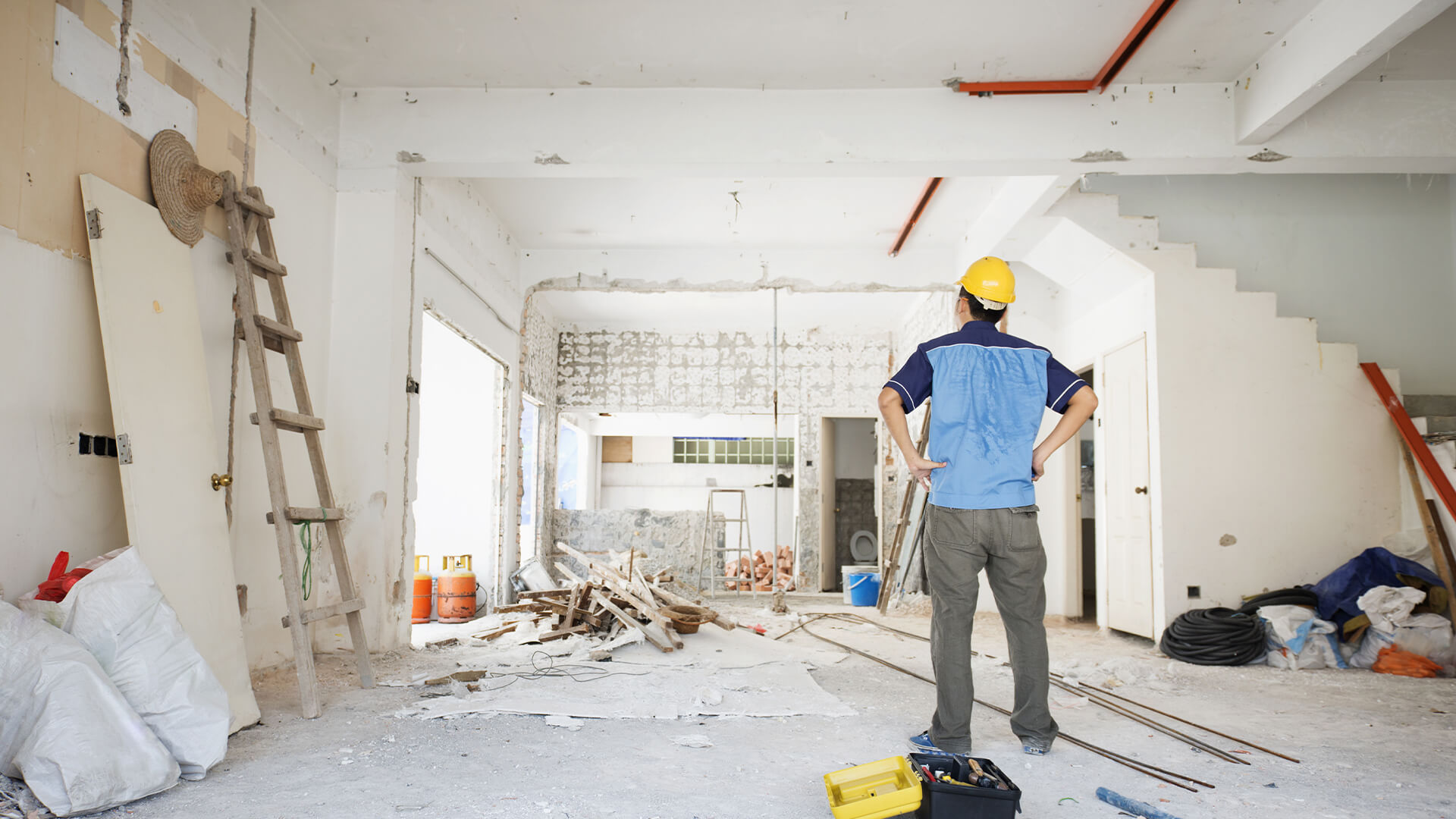
Sustainability in construction and renovation is no longer a mere trend but a critical component of modern building practices. As the industry moves towards environmentally responsible methods, the integration of sustainable practices not only addresses ecological concerns but also results in economic and social benefits. This comprehensive approach enhances resource efficiency, minimizes waste, and promotes healthier living environments, ultimately transforming the way structures are designed, built, and maintained.
Environmental Benefits of Sustainable Construction
Sustainable construction practices significantly reduce the environmental footprint of building projects. By prioritizing eco-friendly materials and energy-efficient technologies, these practices contribute to:
- Lower greenhouse gas emissions
- Reduced energy consumption
- Decreased water usage
- Minimized waste production
For those interested in implementing these strategies, discover expert strategies here to guide sustainable project planning and execution.
Economic Advantages of Adopting Sustainable Practices
Incorporating sustainable methods in construction and renovation can lead to significant cost savings over the life of a building. Initial investments in sustainable technologies and materials often result in:
- Lower operating costs due to energy and water savings
- Reduced maintenance expenses
- Increased property value
- Improved return on investment (ROI)
For a deeper understanding of how these economic benefits can be achieved, find out more about this approach.
Social Impact and Health Benefits
Creating Healthier Living Spaces
Sustainable practices in construction and renovation are designed to enhance the well-being of occupants. By focusing on better indoor air quality, natural lighting, and non-toxic materials, sustainable buildings promote:
- Improved occupant health and productivity
- Enhanced comfort and satisfaction
- Reduced exposure to harmful chemicals
The utilization of sustainable design strategies is essential for fostering healthier environments. Learn about our tailored solutions for creating spaces that support occupant well-being.
Challenges and Future Directions
While the benefits of sustainable construction are clear, challenges persist in the widespread adoption of these practices. Key obstacles include higher upfront costs, a lack of awareness, and limited availability of sustainable materials. However, ongoing advancements in technology and increased regulatory support signal a promising future for the industry.
For those looking to stay ahead of the curve, explore advanced guides and tips on overcoming these challenges and implementing sustainable practices effectively.
As the construction industry continues to evolve, the integration of sustainable practices becomes indispensable. By embracing these methods, the industry not only contributes to a healthier planet but also creates lasting economic and social value. The shift towards sustainability is a necessary evolution, aligning the future of building with the needs of the environment and society.