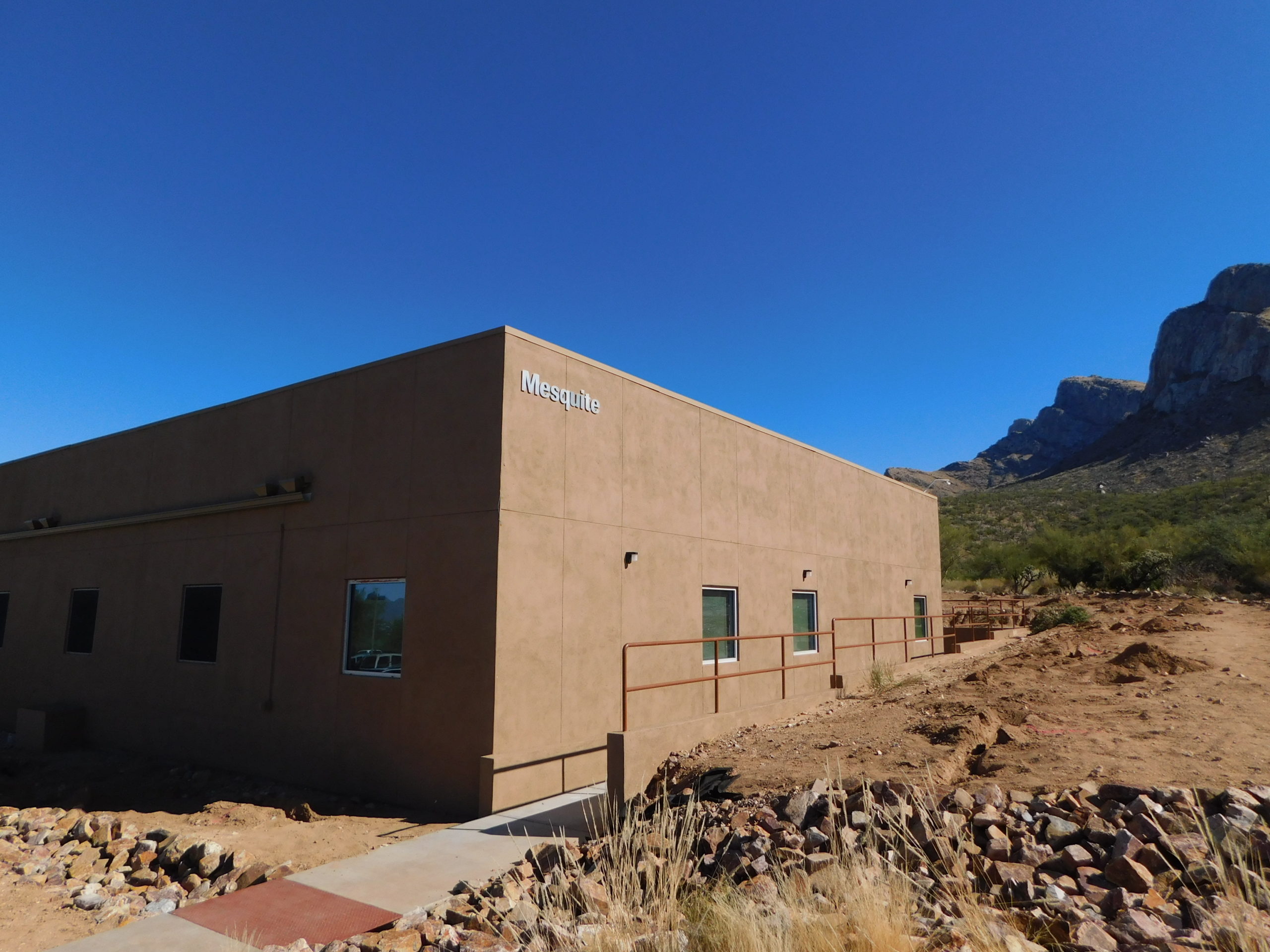
In the ever-evolving construction industry, permanent modular buildings are gaining popularity due to their durability and sustainability. These innovative structures are reshaping how buildings are conceptualized and constructed, offering solutions that align with modern environmental and economic needs. Permanent modular buildings are prefabricated structures that are constructed off-site and then transported and assembled on-site. Their design allows for flexibility, speed, and cost-effectiveness, making them a viable option for various applications, from residential housing to commercial facilities.
Understanding Permanent Modular Buildings
Permanent modular buildings differ from temporary structures in that they are designed for long-term use and adhere to the same building codes and standards as traditionally constructed buildings. They are not merely temporary solutions but rather permanent fixtures that provide stability and reliability.
- Durability: Constructed with high-quality materials and modern techniques, these buildings are built to last, offering the same longevity as traditional structures.
- Sustainability: The modular construction process is inherently more sustainable, reducing waste and conserving resources.
- Efficiency: The off-site construction process reduces the time required on-site, minimizing disruption and often speeding up project completion.
For those interested in exploring the durability and sustainability aspects in greater detail, read more about this topic.
Environmental Benefits
Environmental sustainability is a significant advantage of permanent modular buildings. By minimizing waste and optimizing resources, these structures contribute positively to the environment.
Reduced Waste
One of the key benefits of modular construction is the significant reduction in waste generated during the building process. Materials are carefully measured and cut in a controlled factory setting, leading to less waste compared to traditional on-site construction methods.
- Factory settings allow for precise material usage.
- Recycling of excess materials is easier and more efficient.
For more on the environmental benefits of modular construction, learn more in this detailed guide.
Energy Efficiency
Permanent modular buildings are designed with energy efficiency in mind. The controlled construction environment allows for better sealing and insulation, resulting in lower energy consumption and reduced utility costs.
Applications of Permanent Modular Buildings
These versatile structures are suitable for a wide range of applications, demonstrating their adaptability and effectiveness in various sectors.
Residential Use
As housing demands increase, modular buildings present a practical solution for residential development. They offer customizable options that cater to different living requirements.
- Quick construction meets urgent housing needs.
- Customizable designs ensure adaptability to different living situations.
Commercial and Industrial Use
In the commercial and industrial sectors, permanent modular buildings provide the flexibility needed to create office spaces, retail units, and industrial facilities.
- Scalable solutions accommodate business growth.
- Cost-effective construction reduces initial investment.
To explore further insights into the applications of modular buildings, find additional information here.
Conclusion
Permanent modular buildings offer a compelling alternative to traditional construction, combining durability, sustainability, and efficiency. Their ability to meet diverse needs across residential, commercial, and industrial sectors makes them a versatile choice for modern construction. As the construction industry continues to evolve, the adoption of modular building techniques is likely to increase, driven by their inherent advantages and alignment with contemporary environmental and economic goals.
For further exploration of permanent modular buildings and their benefits, explore further insights here.