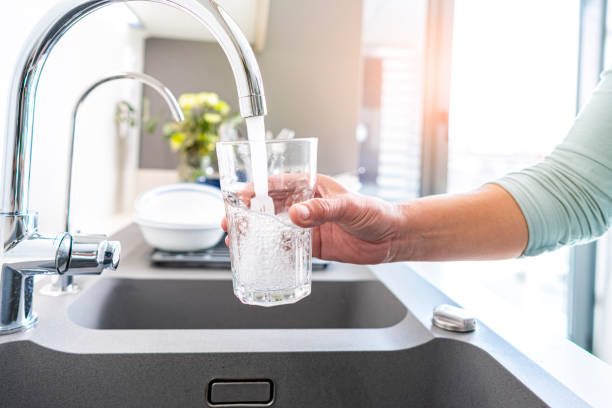
In the quest for pure, clean drinking water, reverse osmosis (RO) filter systems have emerged as a leading solution. These systems are renowned for their ability to effectively remove impurities and contaminants from water, ensuring the safety and taste quality desired in both residential and commercial settings. Understanding the mechanics and benefits of reverse osmosis can help make informed decisions when considering water filtration options. This guide delves into the essentials of reverse osmosis filter systems, offering insights into their functionality, advantages, and considerations for installation and maintenance.
Understanding Reverse Osmosis
Reverse osmosis is a water purification process that uses a semi-permeable membrane to remove ions, molecules, and larger particles from drinking water. During this process, water is forced through the membrane, leaving contaminants behind. Key components of a reverse osmosis system include:
- Pre-filters: These remove larger particles and sediment, protecting the RO membrane.
- RO Membrane: The heart of the system, it filters out most impurities.
- Post-filters: Often used to enhance taste and odor post-filtration.
- Storage Tank: Stores the purified water until needed.
For a deeper dive into how these components work together, discover expert strategies here.
Advantages of Reverse Osmosis Systems
Reverse osmosis systems offer a multitude of benefits:
- Superior Filtration: Capable of removing up to 99% of contaminants, including lead, chlorine, and fluoride.
- Improved Taste: By filtering out impurities, RO systems enhance the taste and odor of water.
- Cost-Effective: Reduces the need for bottled water, offering long-term savings.
- Easy Maintenance: With periodic filter changes, these systems are relatively low-maintenance.
For more tailored solutions on implementing these systems, learn about our tailored solutions.
Considerations Before Installation
Before investing in a reverse osmosis system, consider the following factors:
- Water Quality: Conduct a water test to determine the types of contaminants present.
- System Size: Choose a system that meets the household or business’s daily water needs.
- Installation Location: Ensure there is adequate space for the system and easy access for maintenance.
- Budget: Evaluate the initial cost and ongoing maintenance expenses.
To explore advanced guides and tips on choosing the right system, explore advanced guides and tips.
Maintenance and Care
Regular Filter Replacement
Regular maintenance is crucial to ensure the efficiency and longevity of a reverse osmosis system. This involves:
- Pre-filter Changes: Typically every 6-12 months, depending on water quality and usage.
- RO Membrane Replacement: Usually every 2-3 years, or as specified by the manufacturer.
- Post-filter Changes: Generally every 12 months.
For more guidance on maintaining these systems, find out more about this approach.
Conclusion
Reverse osmosis filter systems are a robust solution for ensuring clean, safe drinking water. By understanding their operation and maintenance, users can maximize the benefits and efficiency of these systems. Whether for home or business use, reverse osmosis systems stand out as a reliable choice in water purification technology. For further insights and personalized advice, discover expert strategies here.