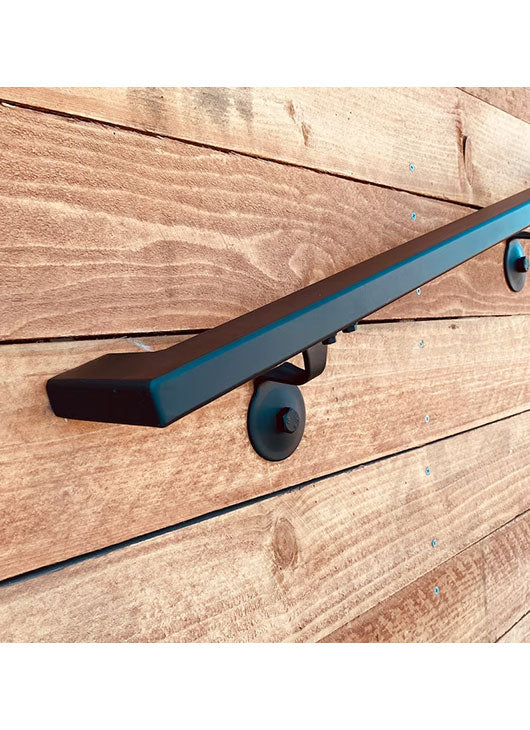
Metal handrails for concrete stairs are an essential component of both residential and commercial buildings. They not only provide the necessary support and safety for users but also contribute significantly to the aesthetic appeal of a space. Selecting the right metal handrails involves understanding specific features that ensure durability, safety, and style. This article explores key features to consider when choosing metal handrails for concrete stairs, providing valuable insights into making an informed decision.
Material Quality
One of the primary considerations when selecting metal handrails is the quality of the material. High-quality materials ensure longevity and resistance to wear and tear. Common choices include:
- Stainless Steel: Known for its corrosion resistance and strength, stainless steel is ideal for both indoor and outdoor applications.
- Aluminum: Lightweight and rust-resistant, aluminum handrails are perfect for environments that require easy installation and low maintenance.
- Wrought Iron: Offers a classic look with excellent durability, ideal for traditional architectural styles.
For more detailed information on the benefits of different materials, discover expert strategies here.
Design and Aesthetics
Handrails should complement the overall design theme of the space. Whether the style is modern, traditional, or industrial, the design of the handrails should align seamlessly. Key design elements include:
- Shape and Profile: Opt for rounded or squared profiles depending on the desired aesthetic.
- Finish: Options such as brushed, polished, or powder-coated finishes can enhance the visual appeal and protect against environmental factors.
- Custom Designs: Tailored solutions are available for unique architectural needs. Learn about our tailored solutions for bespoke design requirements.
Safety and Compliance
Ensuring safety is paramount when installing handrails. Compliance with local building codes and standards is crucial. Consider the following safety features:
- Height and Spacing: Adhere to the recommended height and spacing guidelines to ensure maximum safety.
- Grip: The handrail should offer a comfortable and secure grip to prevent slips and falls.
- Structural Integrity: Ensure the handrails are capable of withstanding the load and usage demands of the environment.
For a comprehensive guide on ensuring safety and compliance, explore advanced guides and tips.
Installation and Maintenance
Consideration of the installation process and maintenance requirements is vital for long-term satisfaction with metal handrails. Key points include:
- Ease of Installation: Prefabricated systems can simplify the installation process, reducing time and labor costs.
- Maintenance Needs: Select materials and finishes that require minimal upkeep to retain their appearance and functionality.
- Professional Installation: Engaging professionals ensures accurate installation and adherence to safety standards. Find out more about this approach for professional guidance.
Cost Considerations
Budget is an important factor when choosing handrails. It’s essential to balance cost with quality and functionality. Consider the following:
- Material Costs: Different materials come with varying costs; stainless steel might be more expensive than aluminum but offers different benefits.
- Long-term Value: Investing in high-quality handrails can lead to savings in maintenance and replacement costs over time.
- Warranty and Support: Consider manufacturers that offer good warranty terms and customer support.
For further insights into cost-effective handrail solutions, explore advanced guides and tips.
In conclusion, choosing the right metal handrails for concrete stairs involves careful consideration of material quality, design, safety, installation, and cost. By evaluating these features, one can ensure both functionality and aesthetic appeal, contributing to a safe and visually pleasing environment.