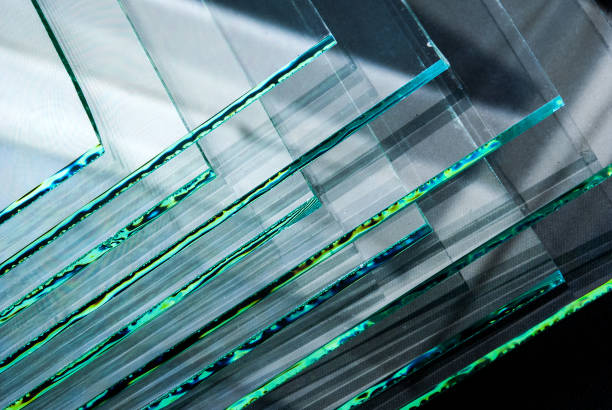
In the realm of architecture and interior design, windows play a crucial role not only in aesthetics but also in functionality and energy efficiency. The choice between insulated glass panels and traditional windows is a decision that can significantly impact the comfort and energy consumption of a building. Insulated glass panels, often referred to as double-glazed or triple-glazed windows, consist of multiple glass panes separated by a spacer filled with air or inert gas. Traditional windows, on the other hand, typically comprise a single pane of glass. This article delves into the differences between these two options, highlighting their respective advantages and disadvantages to assist in making an informed decision.
Energy Efficiency
One of the most significant advantages of insulated glass panels for windows is their superior energy efficiency. The multiple layers and the insulating spacer contribute to their ability to reduce heat transfer, providing better insulation compared to traditional single-pane windows.
- Reduced Heat Loss: Insulated glass panels significantly decrease the amount of heat lost through windows, keeping interiors warmer in winter.
- Minimized Heat Gain: In summer, these panels reduce heat gain, maintaining cooler indoor temperatures.
- Lower Energy Bills: Improved insulation translates to reduced reliance on heating and cooling systems, leading to lower energy costs.
Sound Insulation
Sound insulation is another area where insulated glass panels excel. The additional layers of glass and the gap between them help to dampen external noise, making them ideal for homes and buildings in noisy environments.
- Noise Reduction: Insulated panels can significantly decrease the amount of sound entering a building, creating a quieter indoor environment.
- Enhanced Privacy: By reducing noise transmission, these panels also enhance privacy.
Durability and Maintenance
Durability
Insulated glass panels tend to offer greater durability compared to traditional windows. The construction of multiple panes provides added strength, reducing the likelihood of breakage.
- Increased Longevity: With proper installation and maintenance, insulated panels can last for decades.
- Resistance to Condensation: These panels are less prone to condensation issues, which can extend their lifespan.
Maintenance
While both insulated and traditional windows require routine cleaning and upkeep, insulated glass panels have specific maintenance needs due to their construction.
- Cleaning: Regular cleaning is essential to maintain clarity and performance.
- Seal Checks: Periodic inspection of seals is necessary to ensure thermal performance and prevent moisture ingress.
Cost Considerations
Cost is often a decisive factor when choosing between insulated glass panels and traditional windows. While insulated panels typically have a higher upfront cost, they offer long-term savings through enhanced energy efficiency.
- Initial Investment: Insulated panels are more expensive initially but can be a worthwhile investment due to energy savings.
- Return on Investment: Over time, the energy savings can offset the higher purchase price, making insulated glass a cost-effective choice.
Aesthetic and Design Flexibility
Both insulated glass panels and traditional windows offer a range of design options to suit various architectural styles. However, insulated panels provide added flexibility due to their construction.
- Customization: Insulated panels can be customized with different coatings and tints for added functionality and style.
- Versatility: Available in various configurations, they can accommodate different design needs without compromising performance.
Conclusion
The decision between insulated glass panels and traditional windows should be guided by factors such as energy efficiency, noise reduction, durability, cost, and design preferences. Insulated glass panels offer superior performance in terms of thermal and sound insulation, durability, and long-term savings, making them an ideal choice for modern buildings aiming to enhance comfort and sustainability. Traditional windows, while less efficient, may still be suitable for certain applications where budget constraints or historical architectural considerations exist. Ultimately, understanding the unique benefits and limitations of each option will help in making a choice that aligns with specific needs and goals.