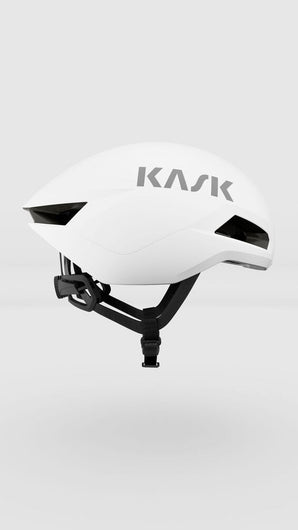
When it comes to competitive cycling, every millisecond counts. Whether you’re a seasoned professional or a passionate amateur, enhancing your performance on the track or road can make a significant difference. One of the most effective ways to boost cycling efficiency is through the use of aero helmets. These specialized helmets are designed to reduce aerodynamic drag, allowing cyclists to maintain higher speeds with less effort. The key lies in understanding how to maximize their potential and make informed choices about their use.
The Science Behind Aero Helmets
Aero helmets are meticulously engineered to minimize air resistance, a critical factor at high speeds. By streamlining the airflow around the cyclist’s head, these helmets reduce drag and enhance speed. The design typically features a smooth, elongated shape that directs air more efficiently compared to traditional helmets.
- Aerodynamic Shape: The sleek design helps channel air over and around the helmet, reducing turbulence.
- Ventilation Balance: While prioritizing aerodynamics, these helmets also incorporate strategic vents to ensure sufficient airflow and comfort.
- Material Innovation: Lightweight yet durable materials contribute to both performance and safety.
To delve deeper into the specifics of aerodynamics and helmet technology, learn about our tailored solutions here.
Maximizing Performance: Strategic Use of Aero Helmets
Choosing the Right Helmet for Your Needs
With a variety of aero helmets available, selecting the right one can greatly influence performance outcomes. Key factors to consider include:
- Riding Conditions: Aero helmets are particularly beneficial in time trials and triathlons. Understanding when and where to use them is crucial.
- Fit and Comfort: A well-fitted helmet ensures stability and reduces unnecessary movement, which can affect aerodynamics.
- Weight Considerations: Lighter helmets can ease neck fatigue during long rides, enhancing comfort and endurance.
For comprehensive guidance on choosing the right helmet, explore advanced guides and tips available through industry experts.
Integrating Aero Helmets into Your Training
Incorporating aero helmets into training sessions can help cyclists adapt to their use and optimize performance during competitions. Consider the following strategies:
- Consistent Practice: Regular use in training builds familiarity and allows cyclists to fine-tune their riding posture for maximum aerodynamic benefit.
- Weather Adaptation: Understanding how different weather conditions affect helmet performance can inform strategic decisions on race day.
- Transition Training: For triathletes, practicing helmet transitions can save valuable seconds and improve overall race efficiency.
For more on optimizing training with aero helmets, discover expert strategies here.
Evaluating the Impact of Aero Helmets
Quantifying the benefits of aero helmets can be achieved through a combination of personal experience and empirical data. Cyclists often report noticeable improvements in speed and endurance when using these helmets. Additionally, performance metrics such as time trials and race results provide concrete evidence of their effectiveness.
- Performance Tracking: Utilize cycling apps and devices to monitor improvements in speed and efficiency.
- Feedback Loop: Regularly assess helmet performance and adjust usage based on conditions and competition demands.
- Peer Comparison: Engage with the cycling community to exchange experiences and insights regarding helmet effectiveness.
To further understand the impact of aero helmets, find out more about this approach and its application in competitive cycling.
In conclusion, aero helmets represent a strategic investment for cyclists aiming to enhance their performance. By understanding the science behind their design, integrating their use into training, and evaluating their impact, cyclists can unlock significant performance gains. For comprehensive resources and expert insights, explore the available guides and tips that can help tailor the optimal cycling experience.